
Budget assembly still runs through spreadsheets and email at many law firms, taking longer than expected and arriving with errors, gaps, and out-of-date inputs. And when circumstances change, reforecasting is just as painful. BigHand Budgeting and Forecasting brings intelligence before every budget decision, giving firms a centralized view of the numbers that makes reforecasting as straightforward as the original budget.
See how BigHand Budgeting and Forecasting works for CFOs and COOs, budget administrators, and budget stakeholders.
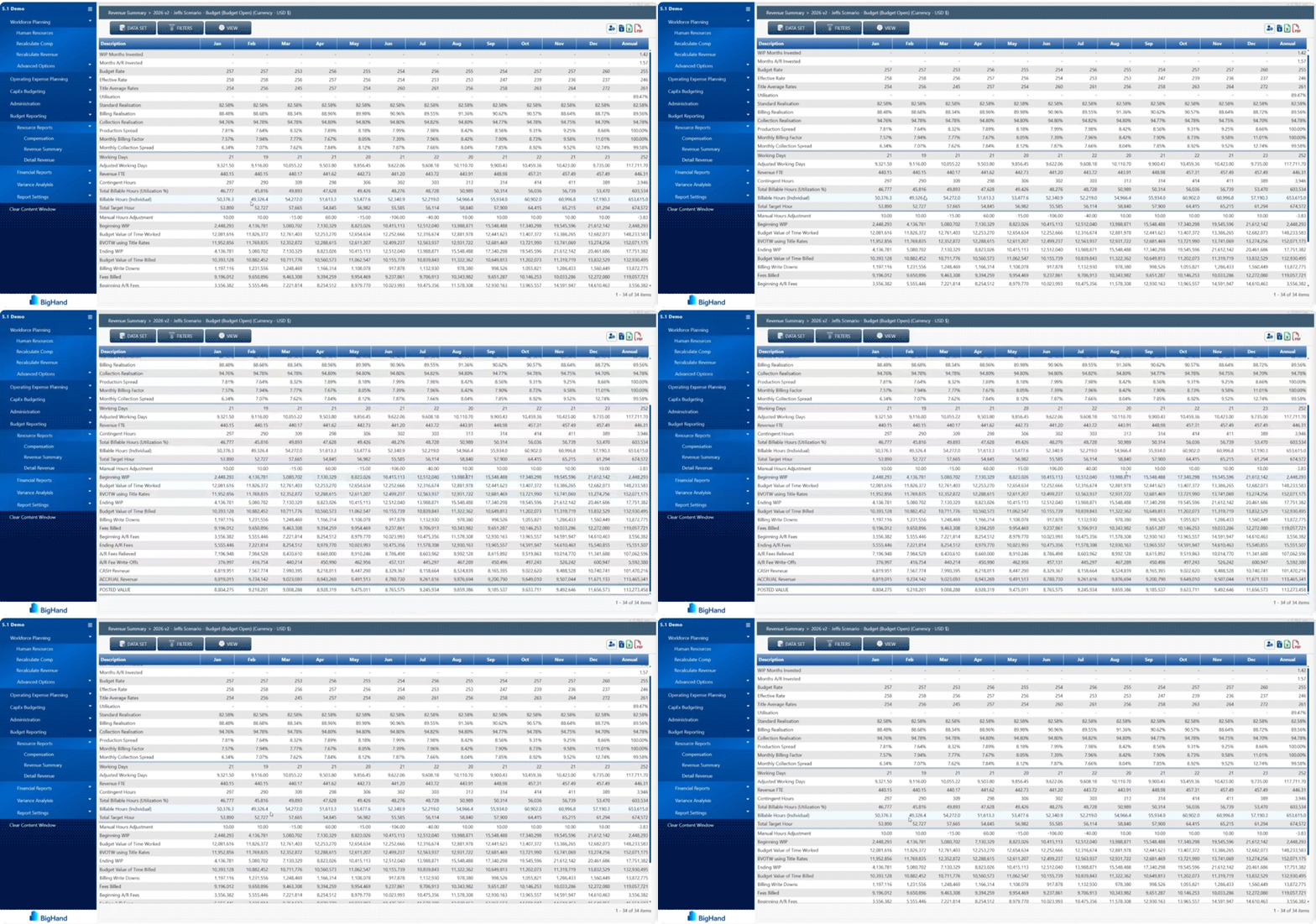
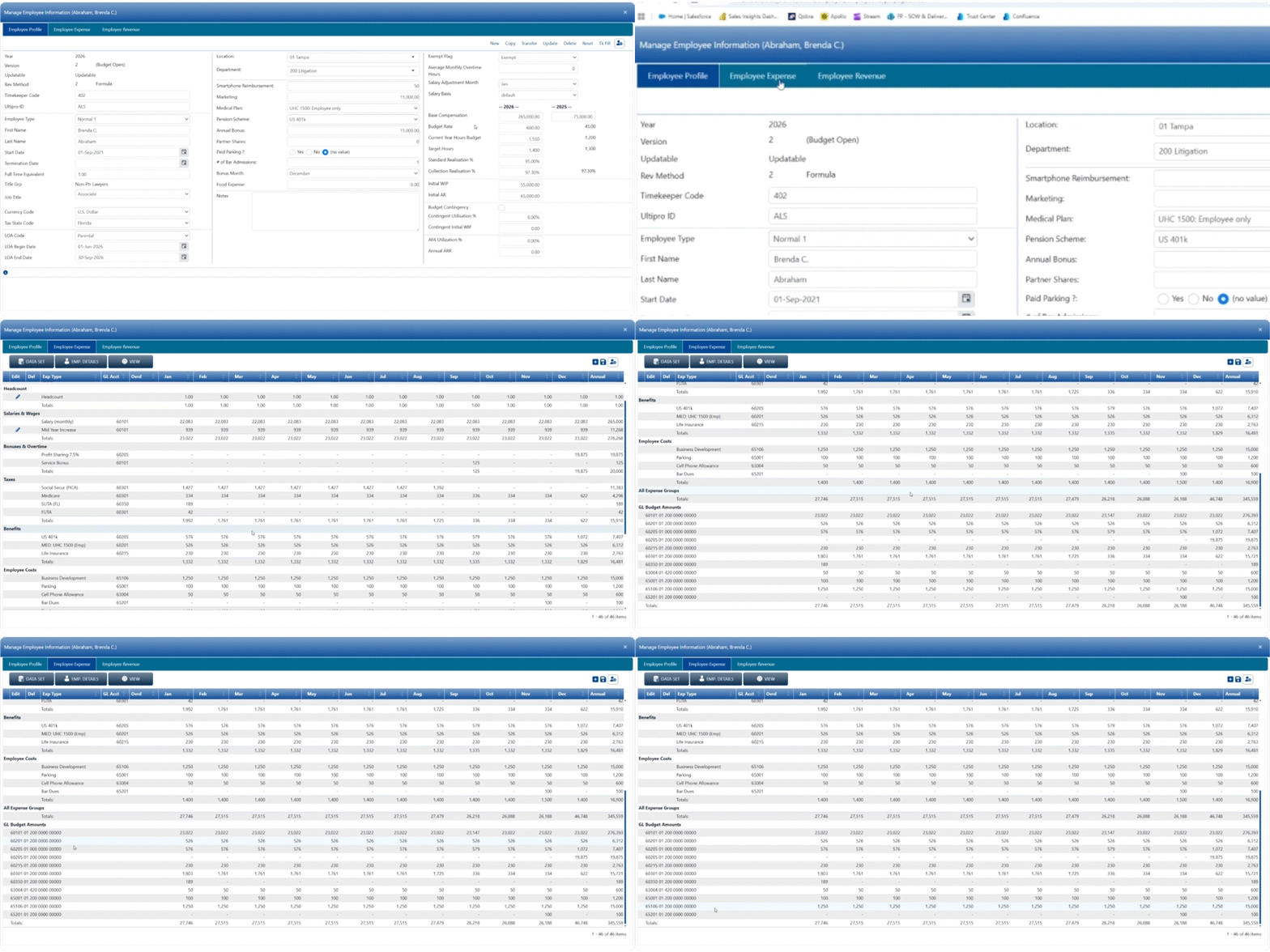
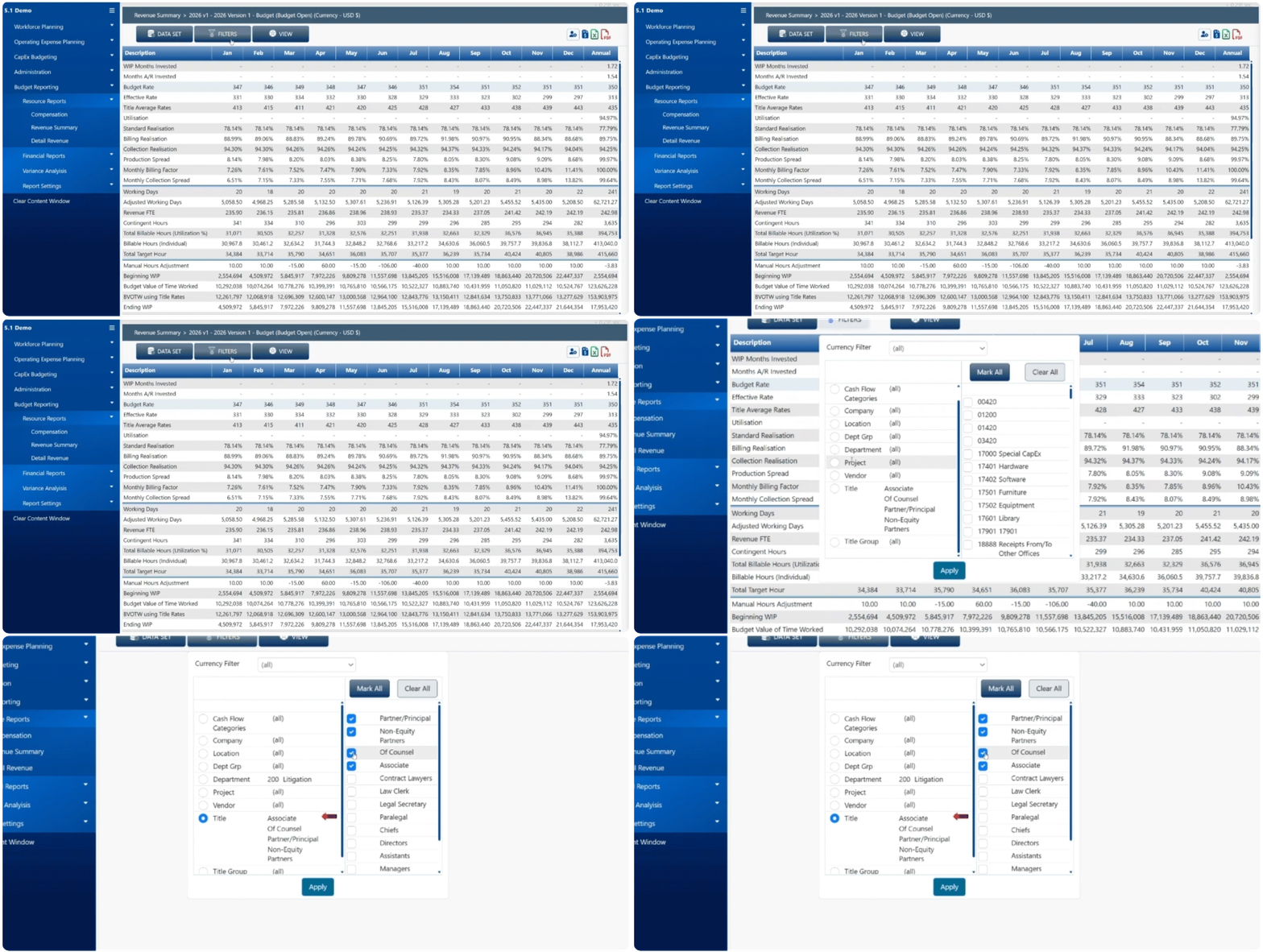
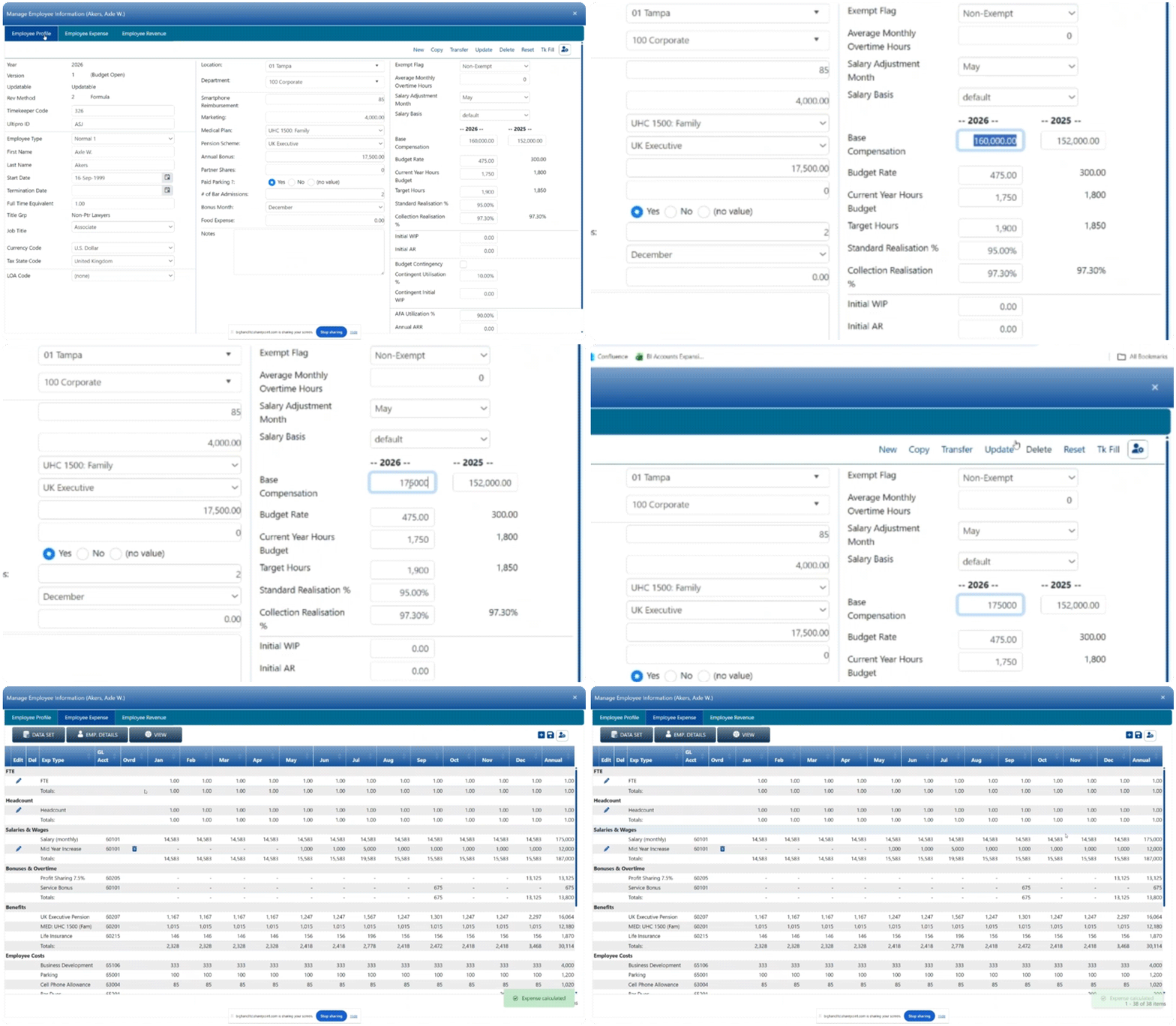
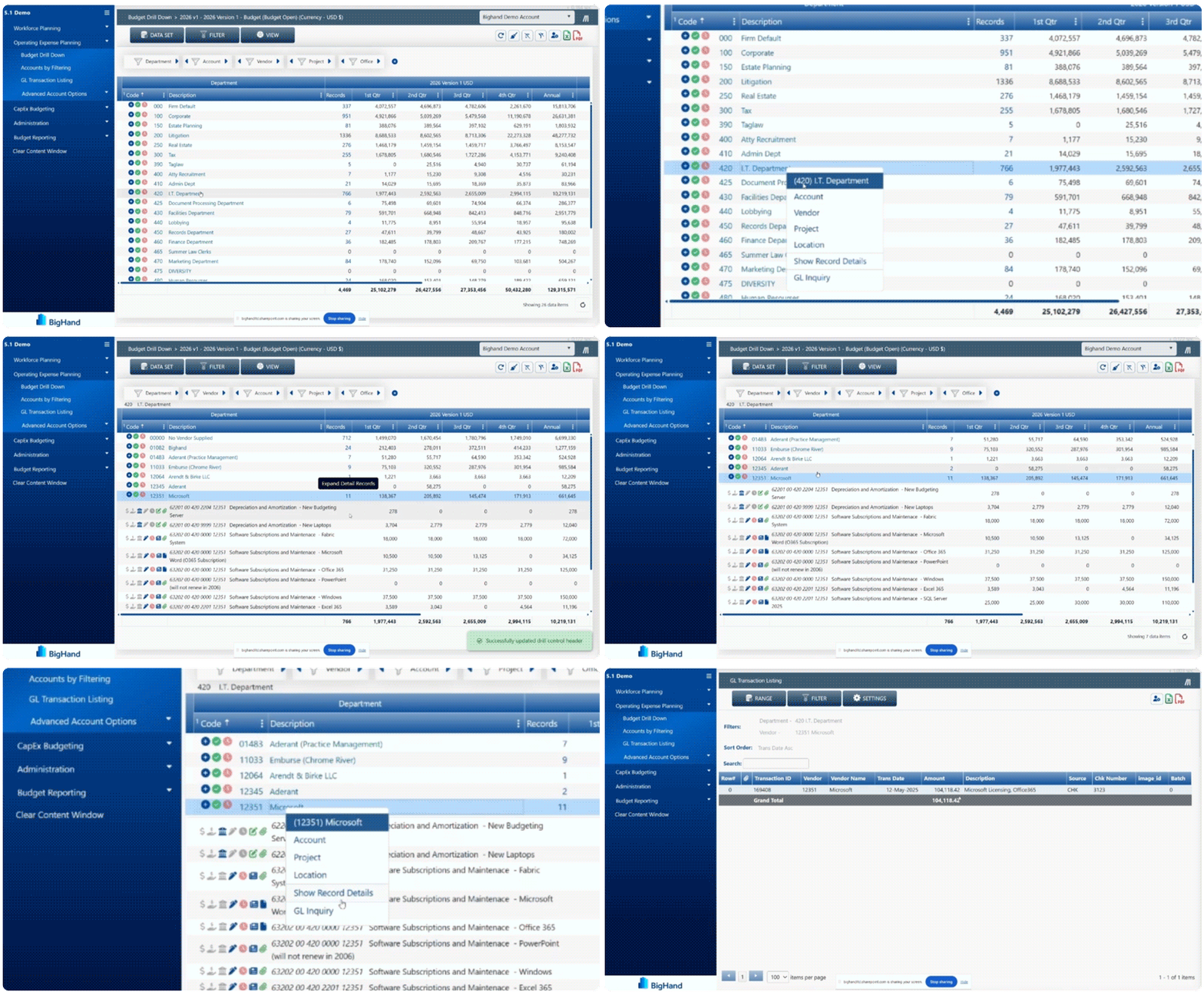
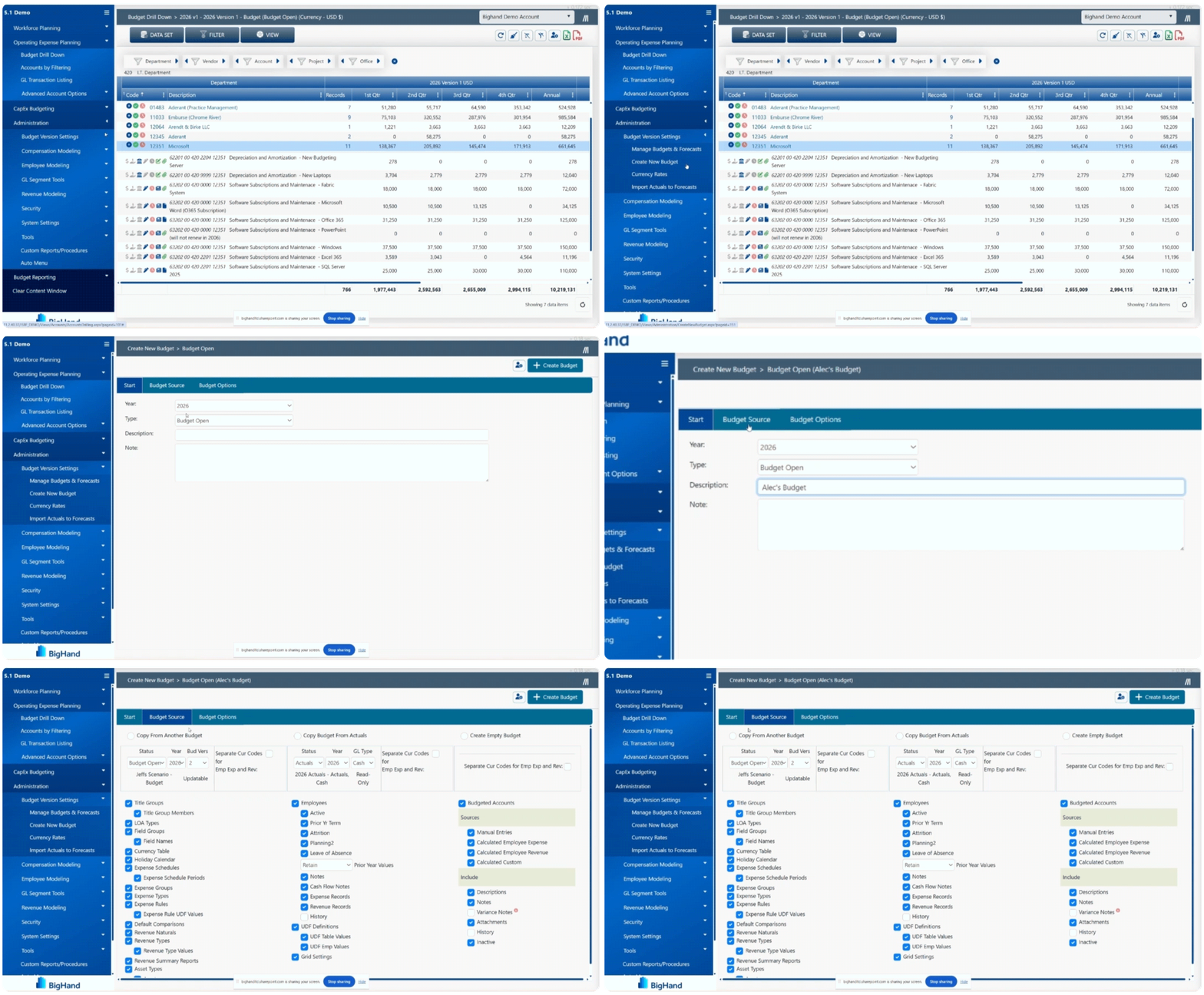
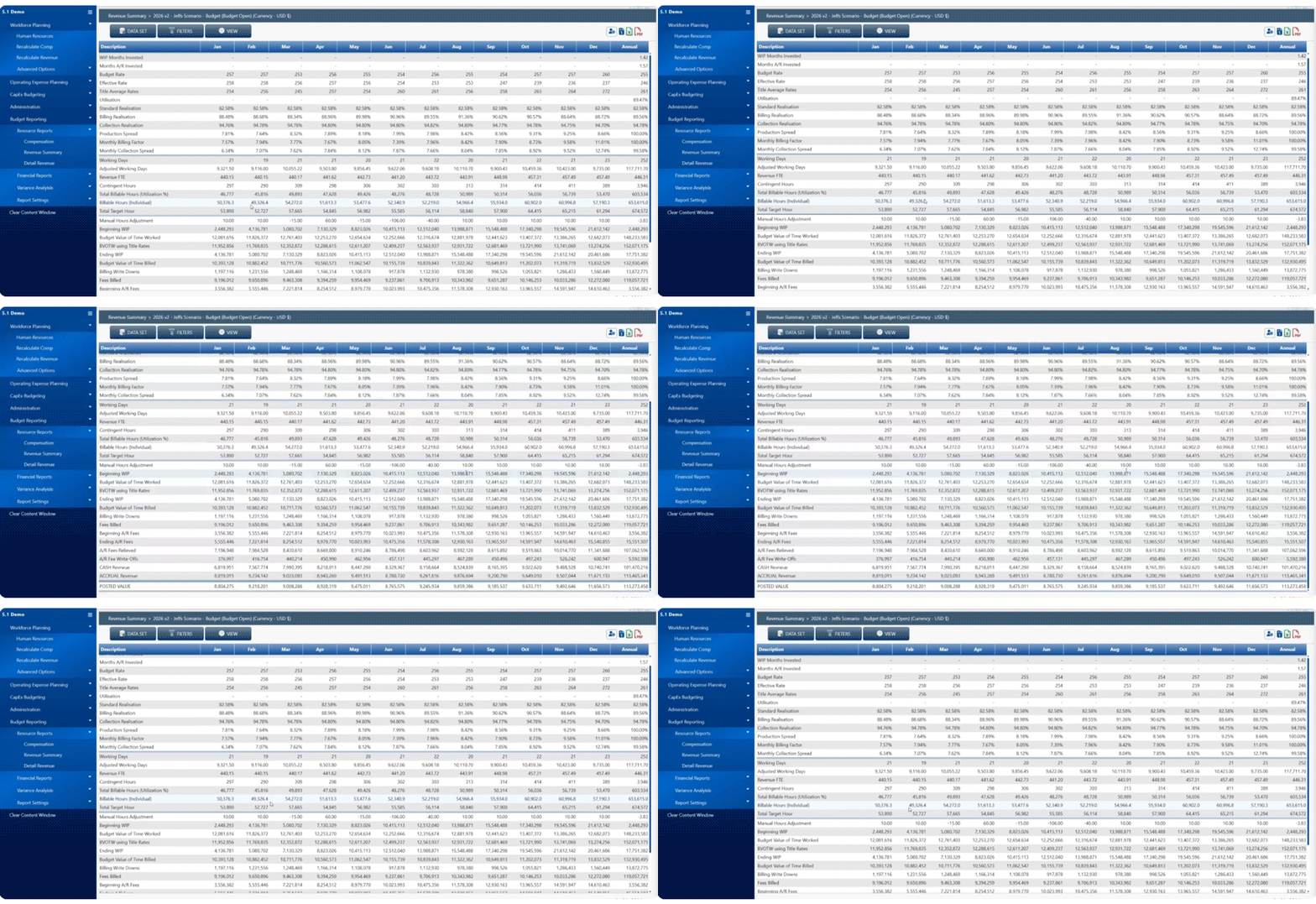
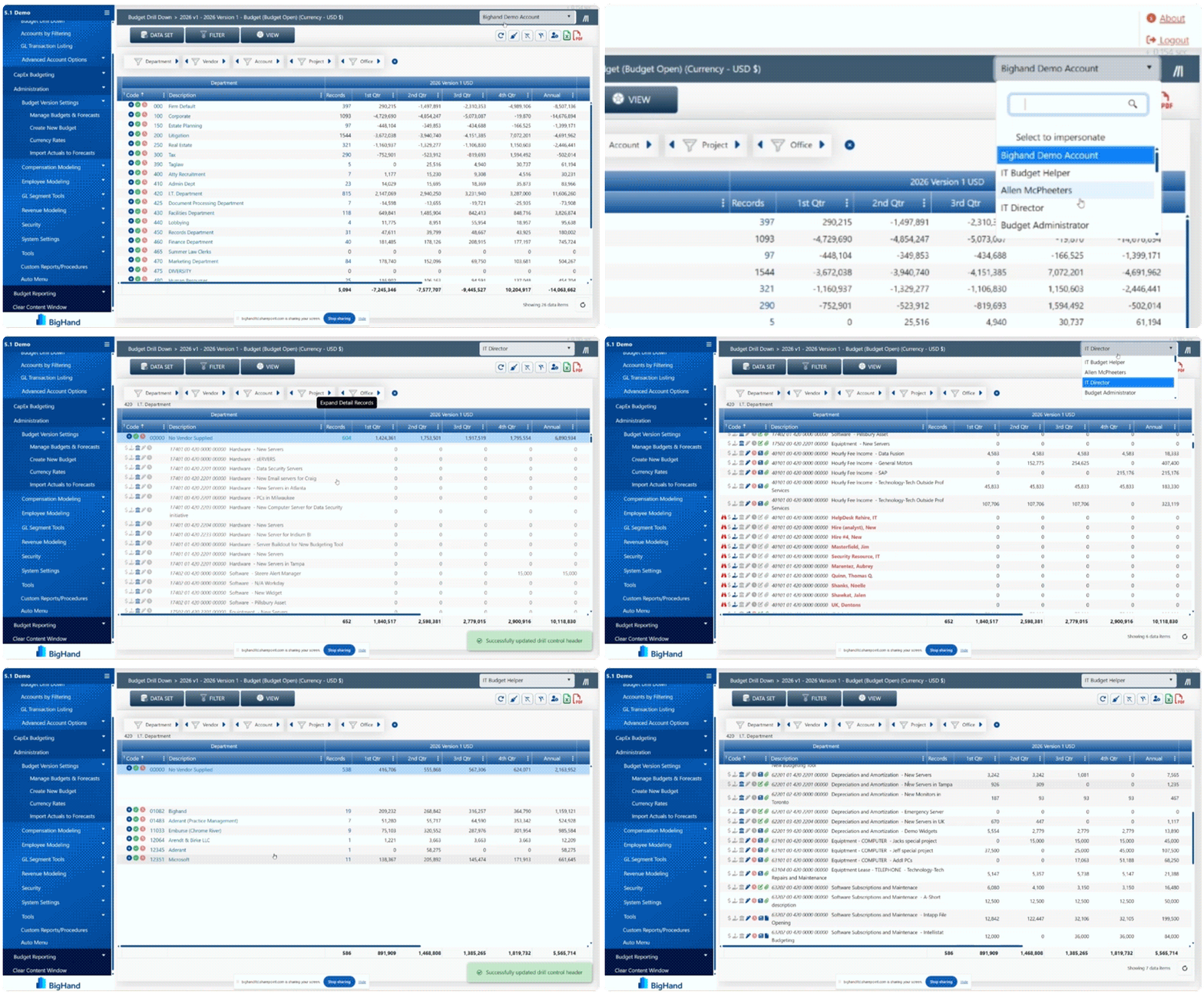
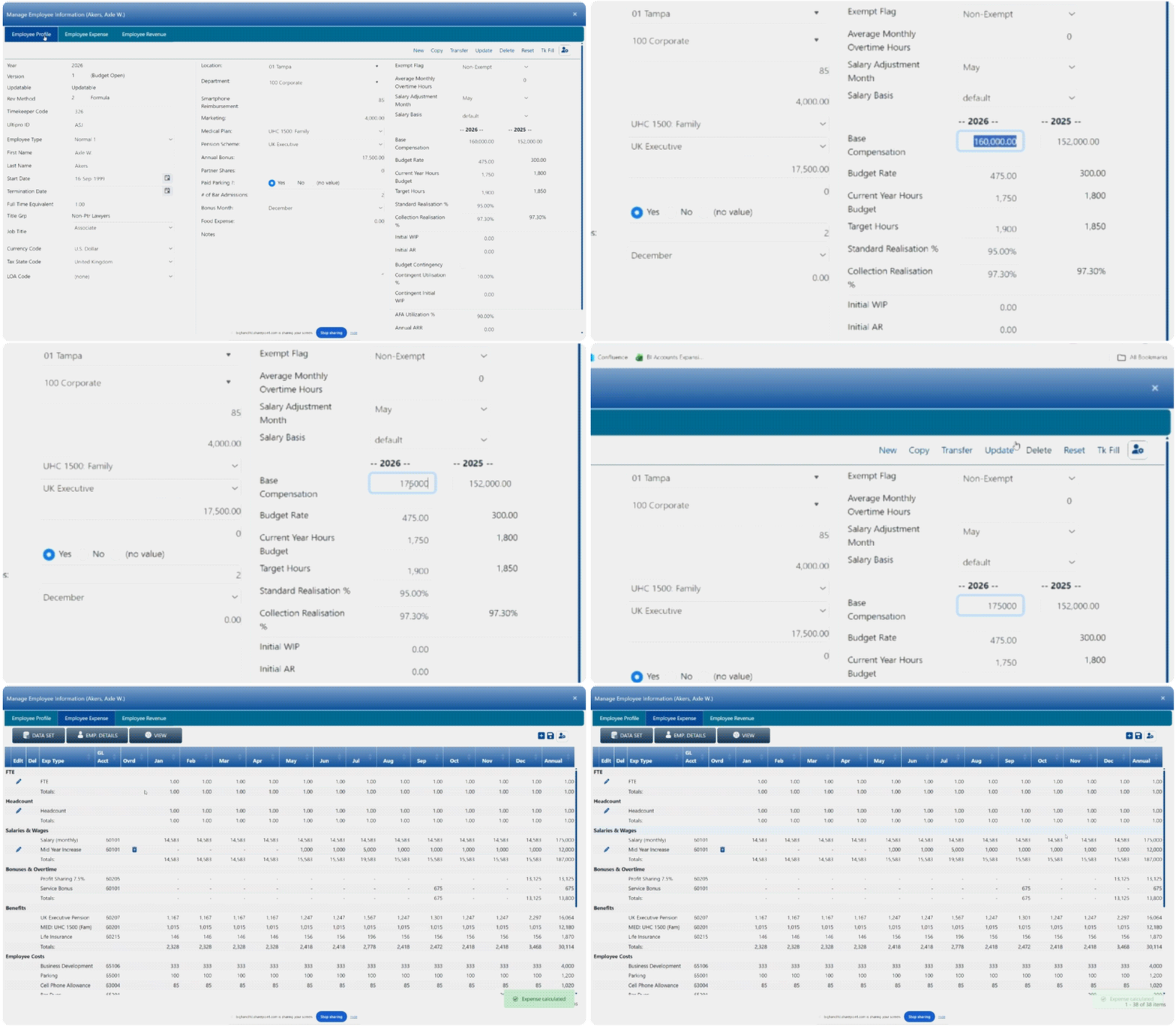
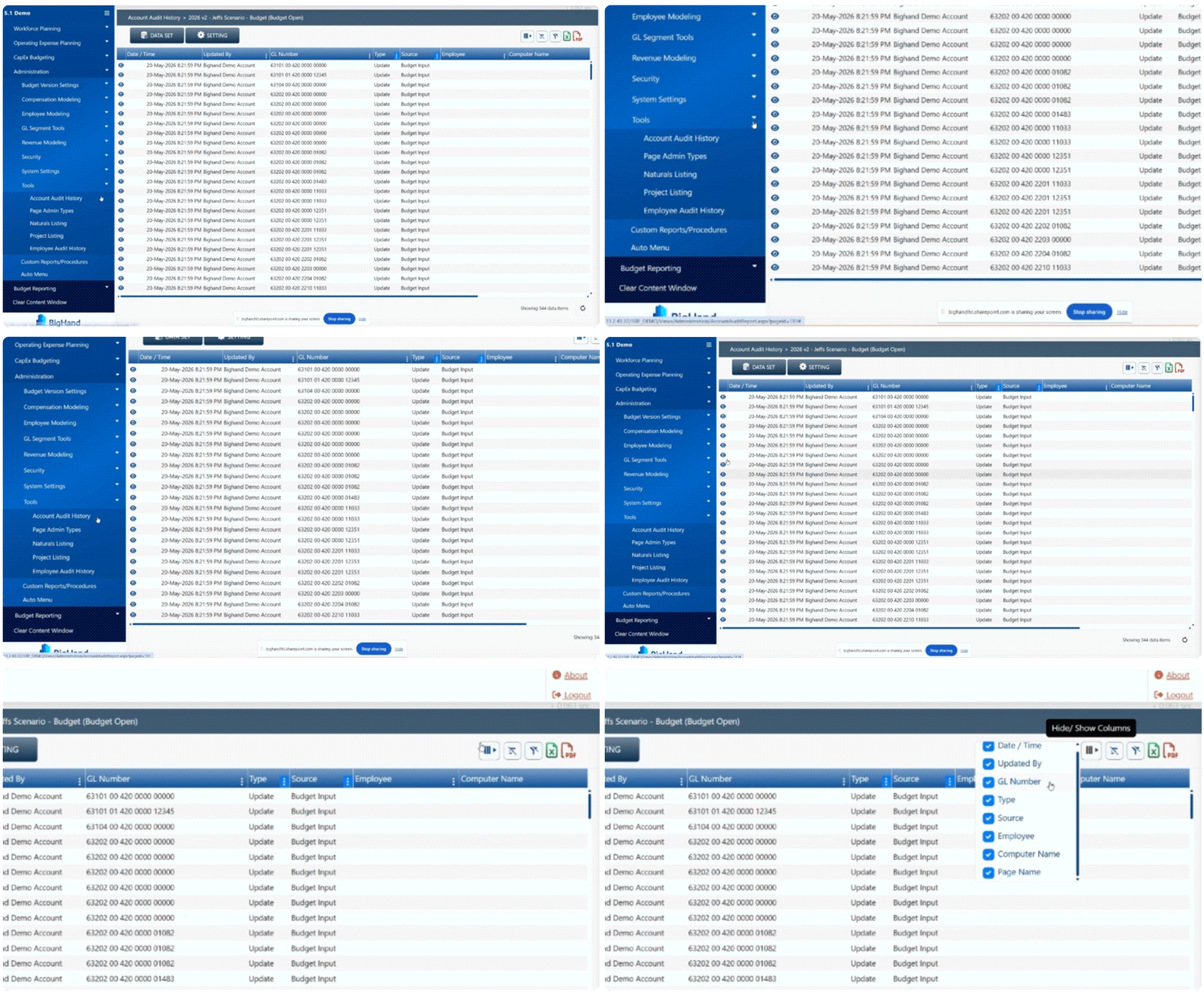
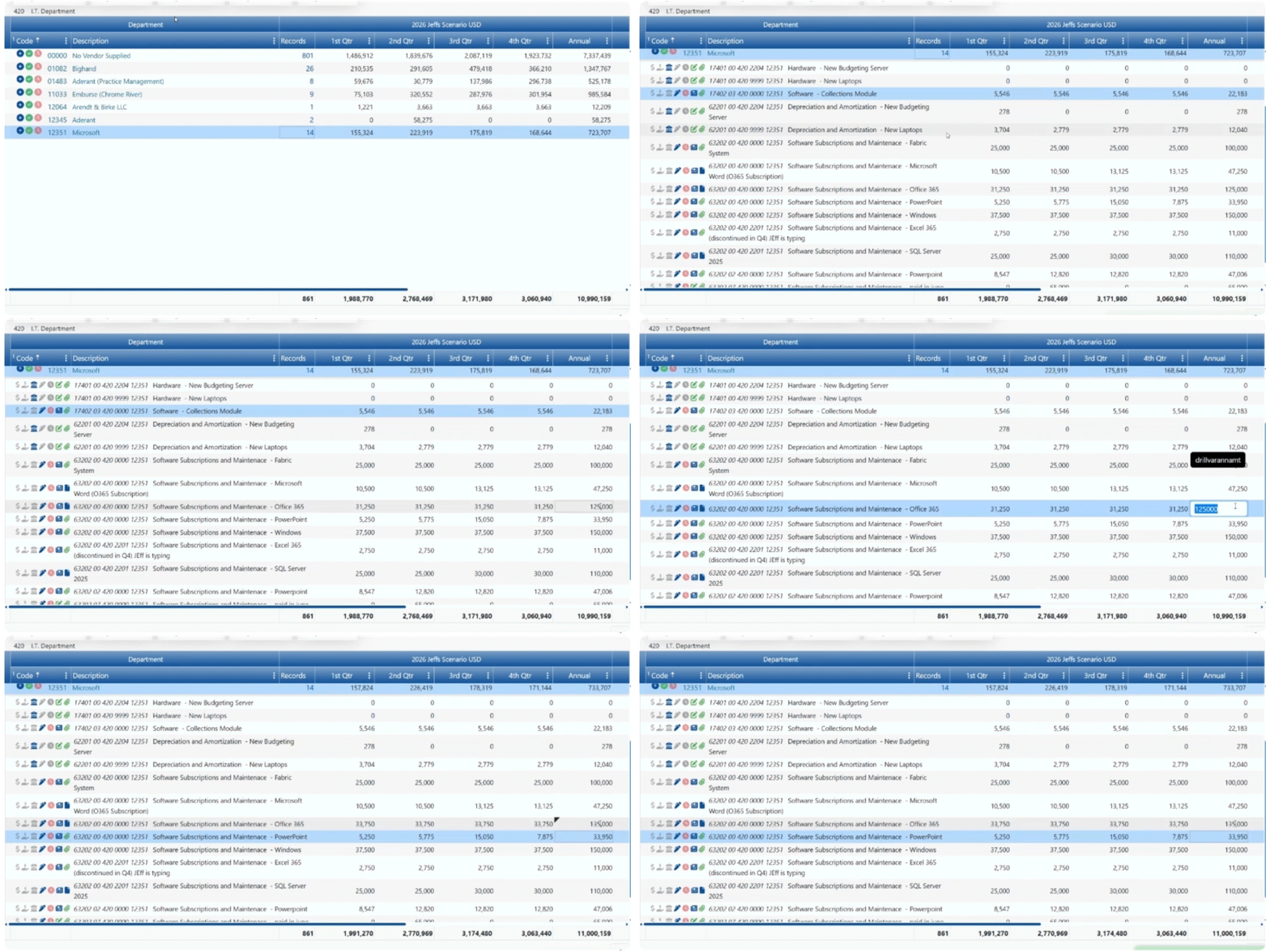
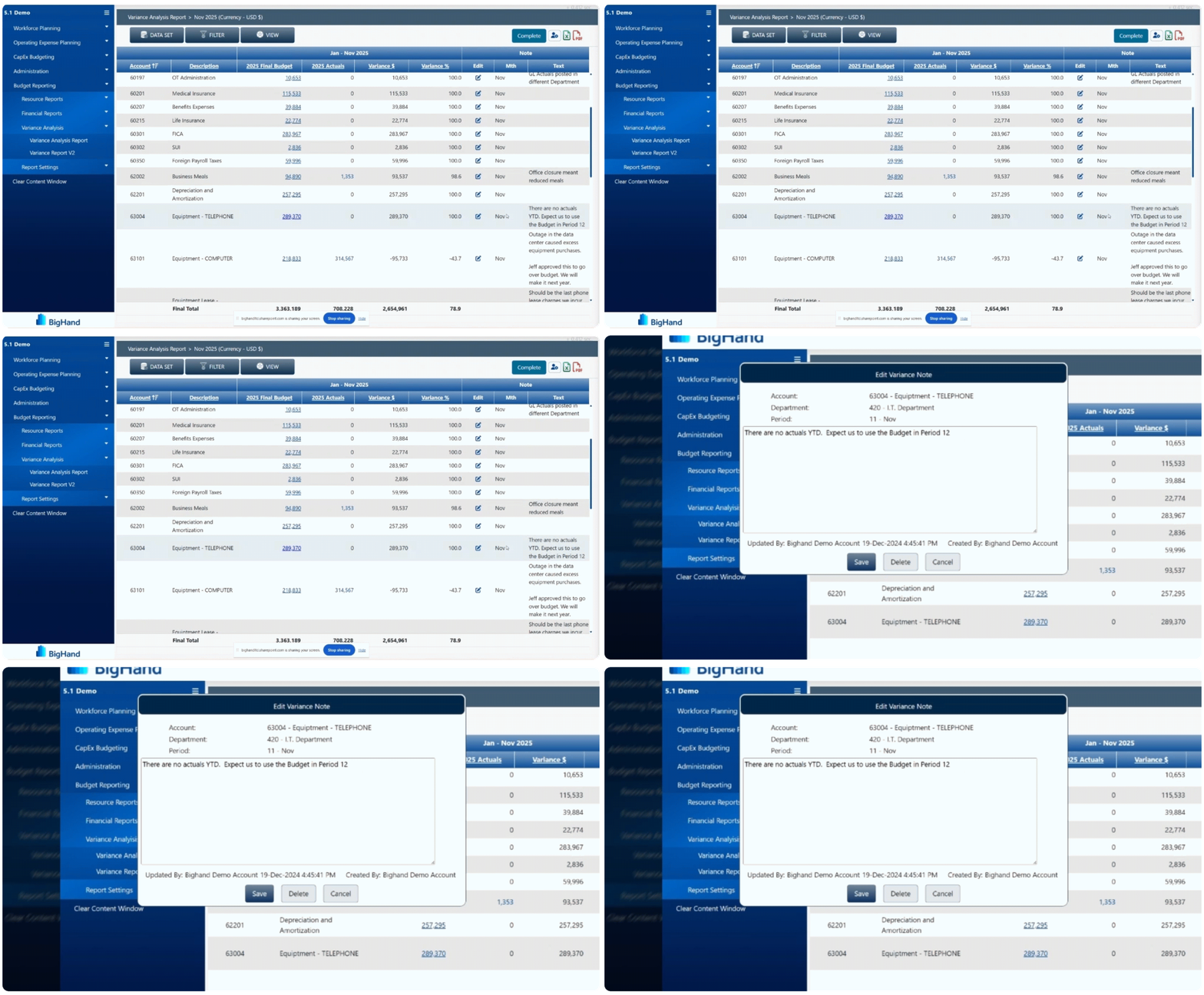
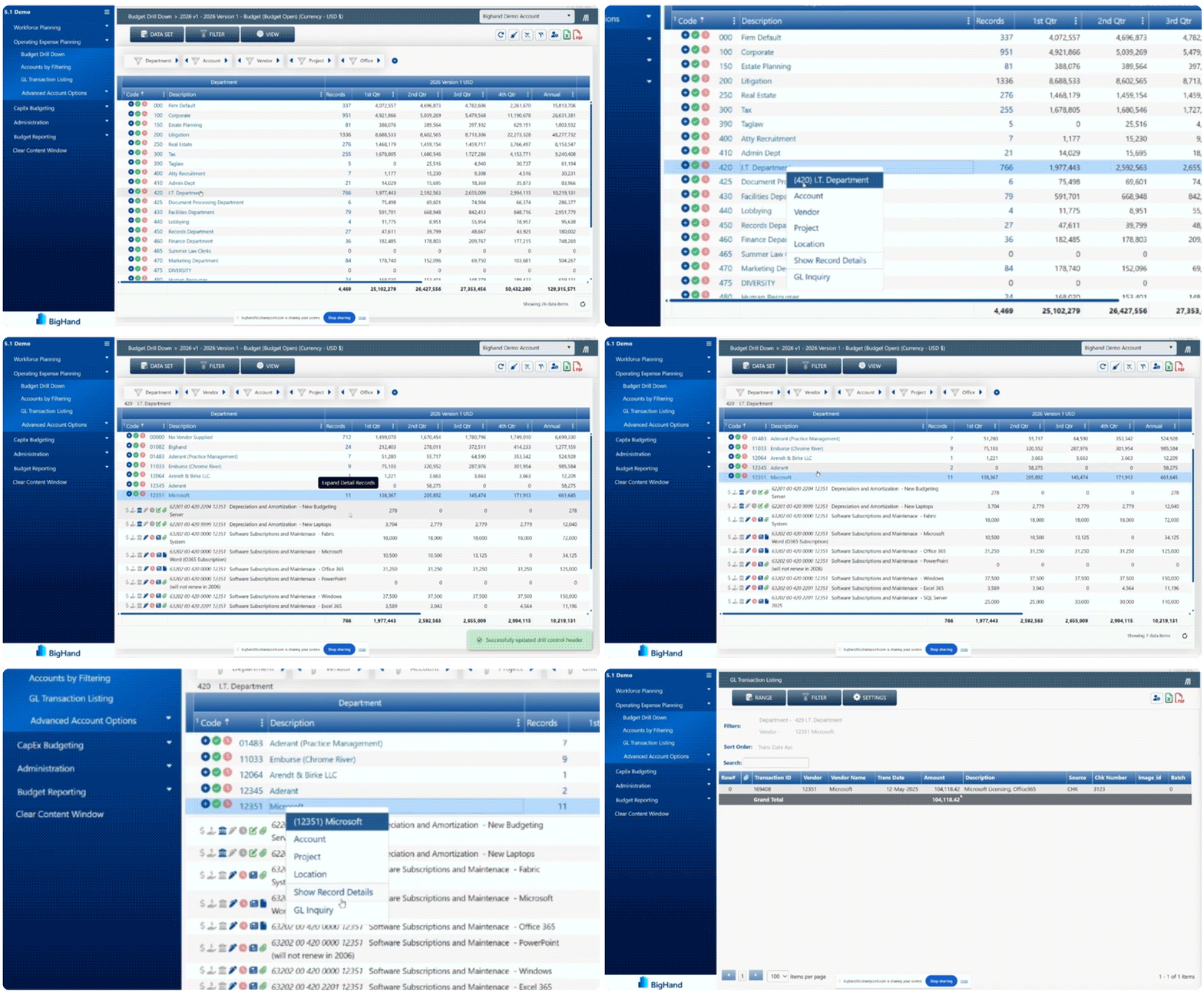
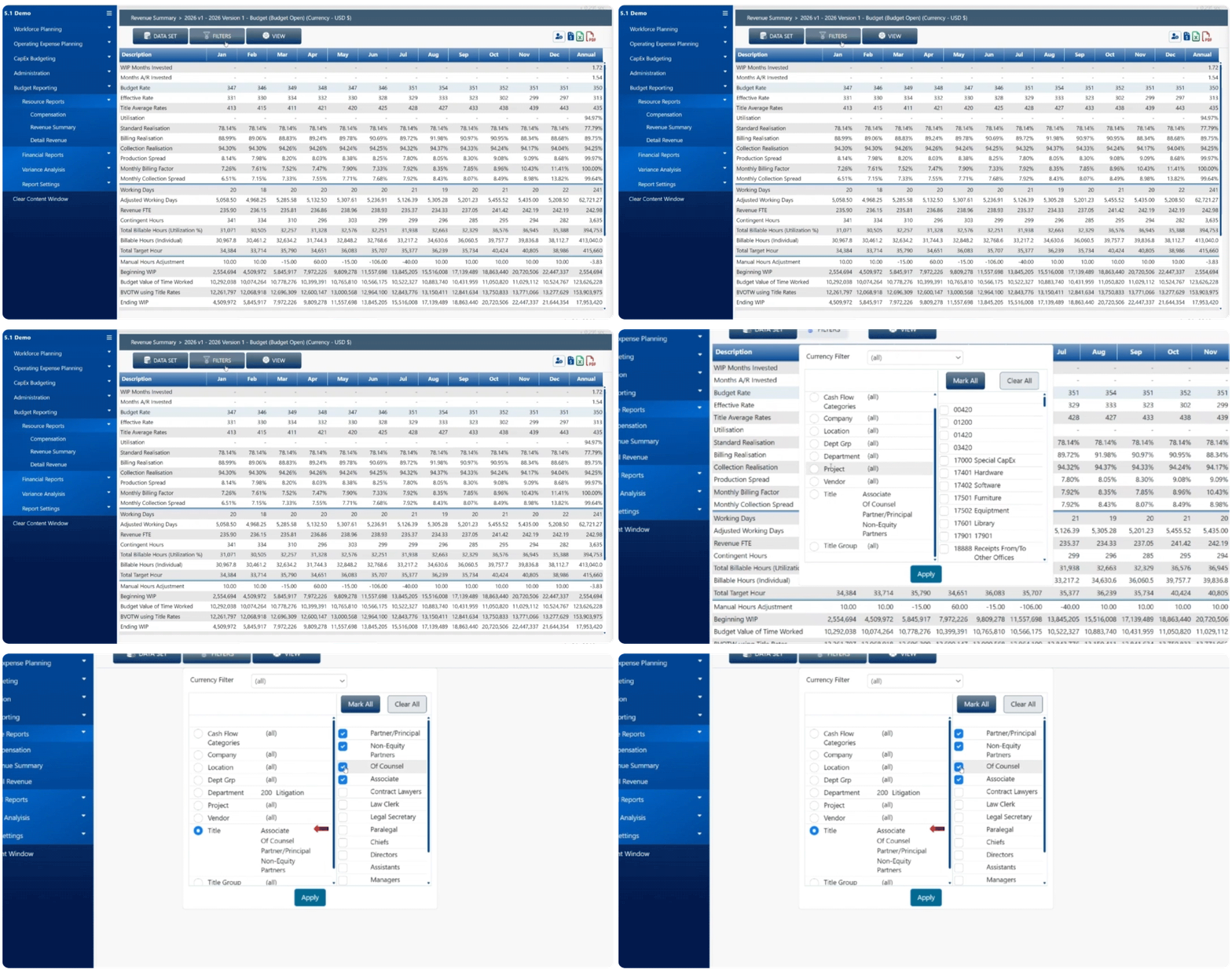
BigHand Budgeting and Forecasting brings intelligence into financial planning before decisions are made, helping firms set defensible budgets, accelerate the budgeting process, and protect partner compensation expectations.

Profitability protected
Accurate budgets built on current data for transparent compensation.

Client value grown
Capacity to confidently advise and decide.

Performance unlocked
Results in minutes, respond to change without waiting.
 Centralized Budget Repository Centralized Budget Repository Firm-specific Business Rules Firm-specific Business Rules PMS, GL, and HRIS Integration PMS, GL, and HRIS Integration Fee Revenue Modeling Fee Revenue Modeling Compensation and Benefit Modeling Compensation and Benefit Modeling What-if Scenario Modelling What-if Scenario Modelling Live Reporting Live Reporting |
 Custom Report Writer Custom Report Writer Interactive Drill Down Interactive Drill Down Variance Management Variance Management Permission-based Security Permission-based Security Full Audit Trail Full Audit Trail Browser-based Stakeholder Entry Browser-based Stakeholder Entry |
How CFOs, COOs, and finance teams at leading firms use BigHand Budgeting and Forecasting to set defensible budgets and run the planning process with confidence.
Budgeting and forecasting in a law firm involves planning expected revenue, costs, and business performance using historical data and forward-looking assumptions. Budgeting sets the financial targets for a period, while forecasting updates those expectations as work progresses and conditions change. Together, they give firms continuous financial visibility to accelerate the budgeting process, improve budget accuracy, and protect partner compensation expectations.
Budgeting defines the planned financial outcome; forecasting updates those expectations based on actual performance and changes in demand. A budget is the commitment; the forecast is the current best view of reality. Firms need both: budgets create accountability and client-facing structure, while forecasts keep leadership decisions grounded in what is actually happening. Together they provide continuous financial visibility and turn financial management from a year-end exercise into an ongoing discipline.
Law firms forecast revenue by combining headcount, billable hour targets, and expected billing rates. These projections are then adjusted using realization data, which reflects the proportion of recorded time that is ultimately billed and collected. That adjustment matters, because forecasts built on recorded hours alone consistently overstate revenue. Mature firms refresh forecasts regularly using current pipeline and matter performance, giving finance leaders a rolling view of expected income they can plan against with confidence.
Forecasting improves financial performance by predicting expected revenue and workload based on current activity and historical trends. Forecasting also improves decisions about hiring, investment, and capacity because leadership can see what is coming rather than reacting to what has happened. Firms that forecast well simply get fewer financial surprises.
Budgets are typically set at the start of a financial period, then reforecast at regular intervals or when material changes occur, such as a shift in scope, strategy, or staffing. Many firms reforecast monthly at the firm level and continuously at the matter level, where real-time tracking makes updates automatic. The right cadence keeps financial expectations aligned with reality without creating administrative burden. What matters most is that reforecasting is routine, because stale forecasts are often worse than none.


© 2026 BigHand. All Rights Reserved. Various trademarks held by their respective owners.