







At many firms, financial data sits fragmented across systems, hiding billing issues, aging WIP, and slow collections until they reach the P&L. BigHand Business Intelligence surfaces that data in self-service dashboards, putting the right intelligence before every decision across every office, practice group, and matter.
See how BigHand Business Intelligence surfaces rich performance data for confident decision-making across the firm.
See how BigHand Business Intelligence works for firm leadership, finance teams, and the partners driving practice group performance.
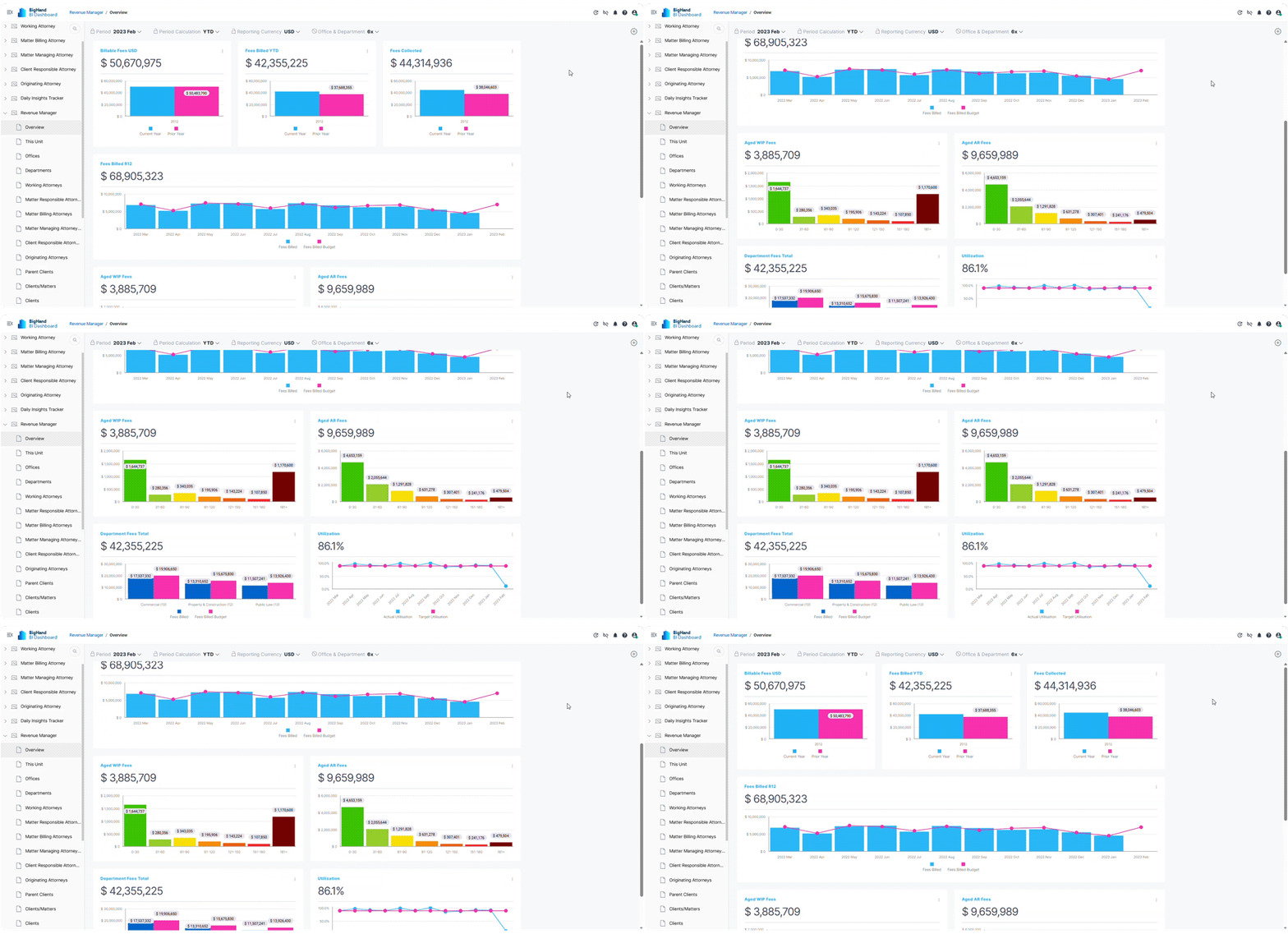
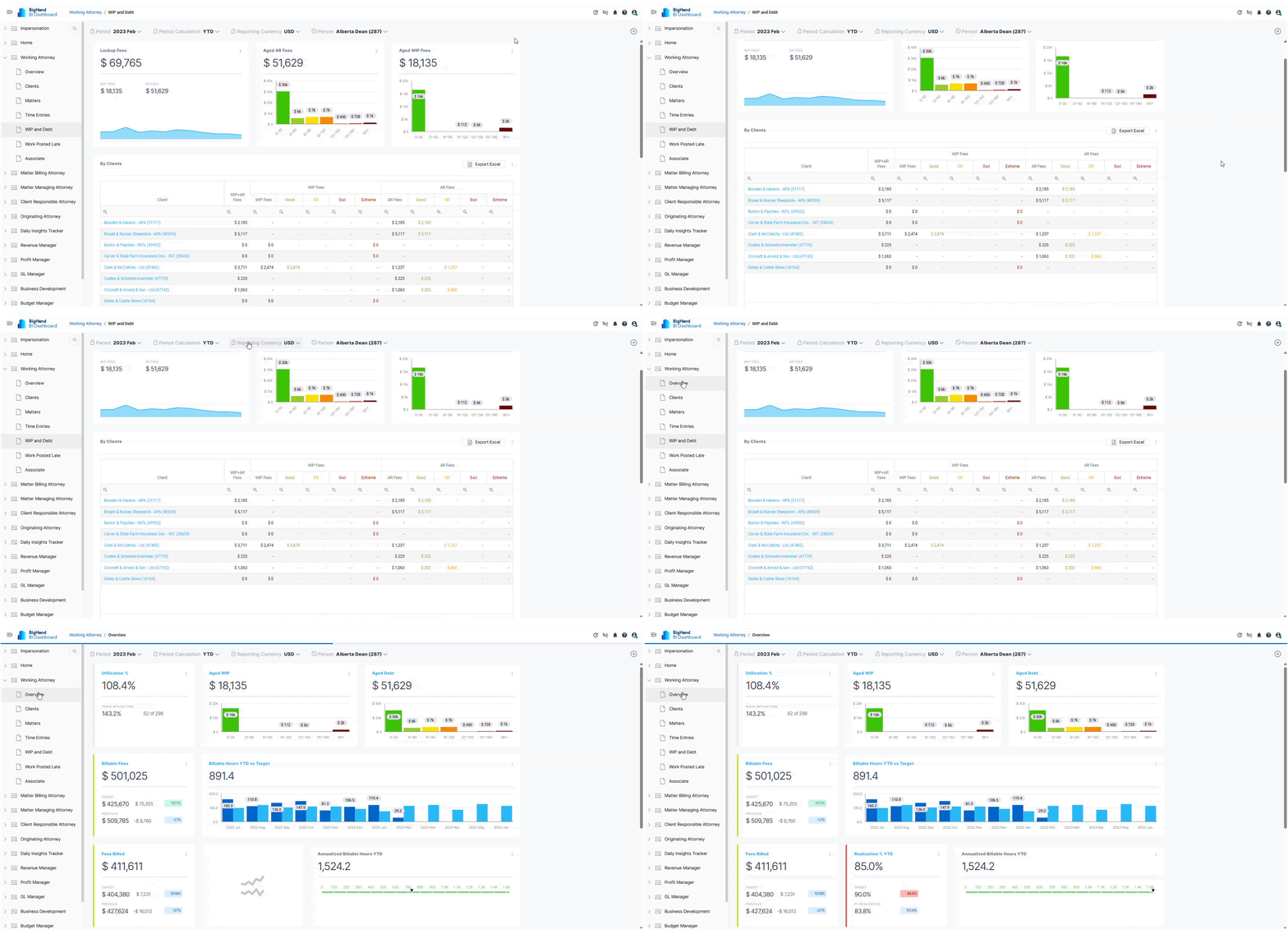
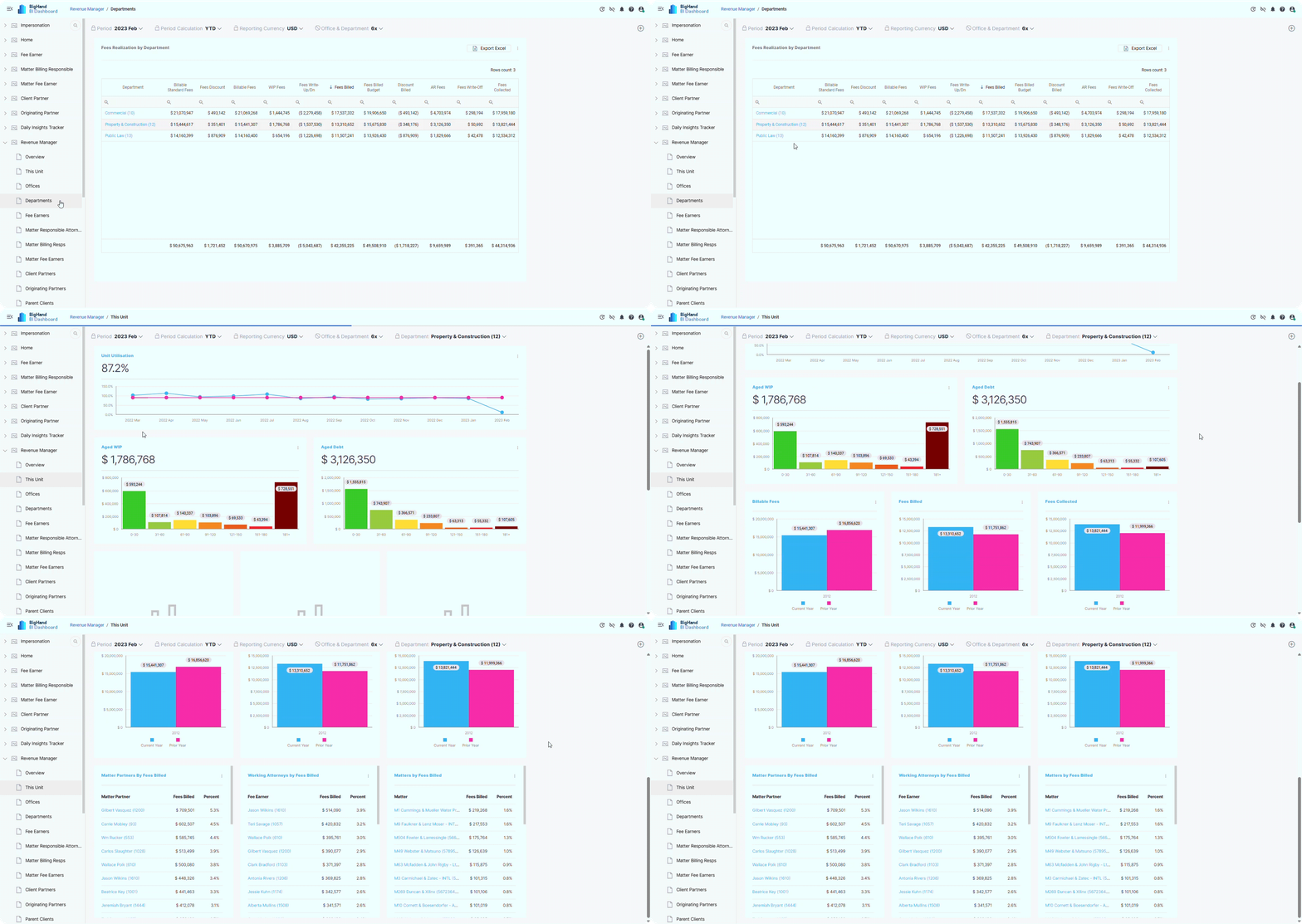
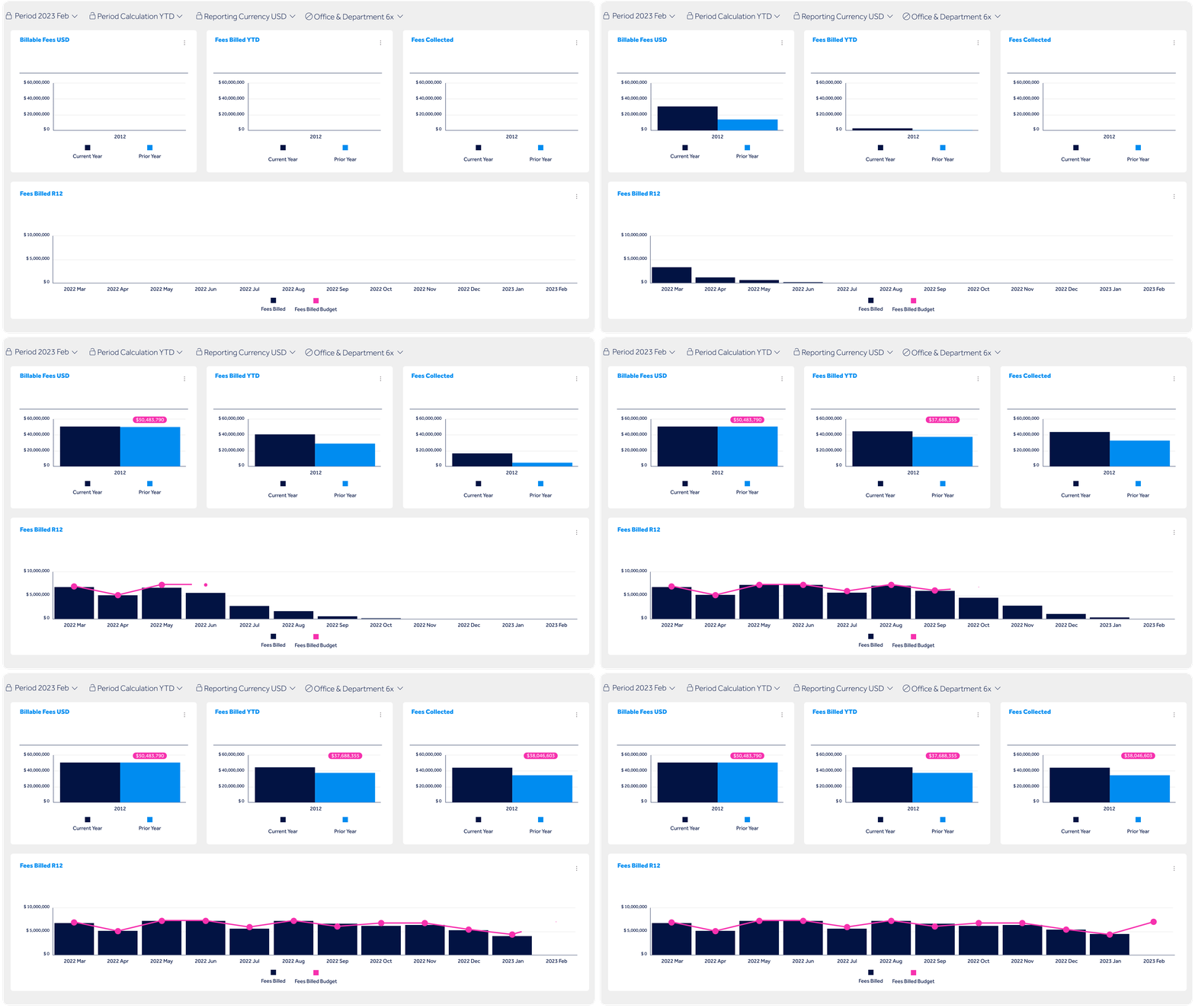
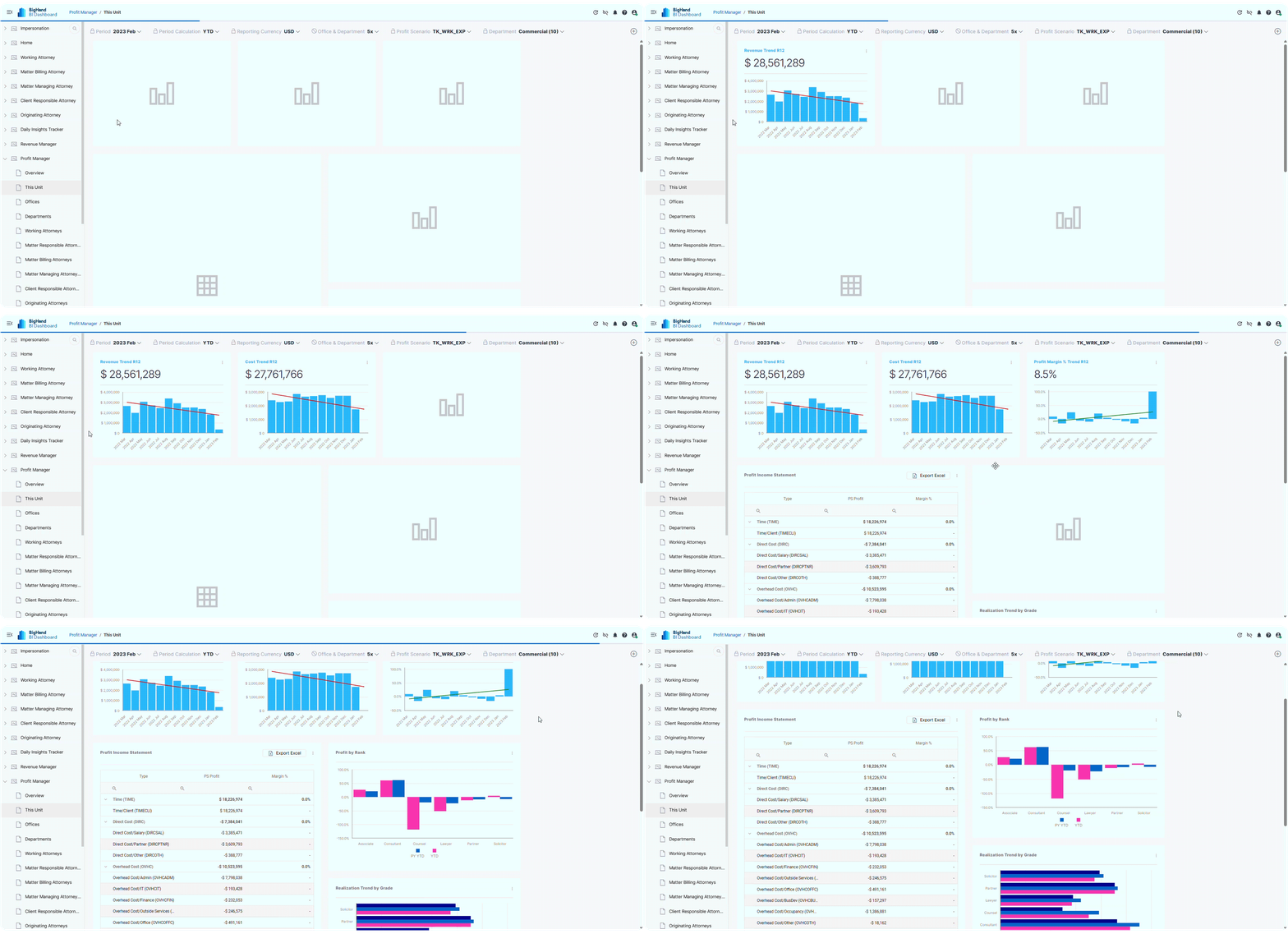
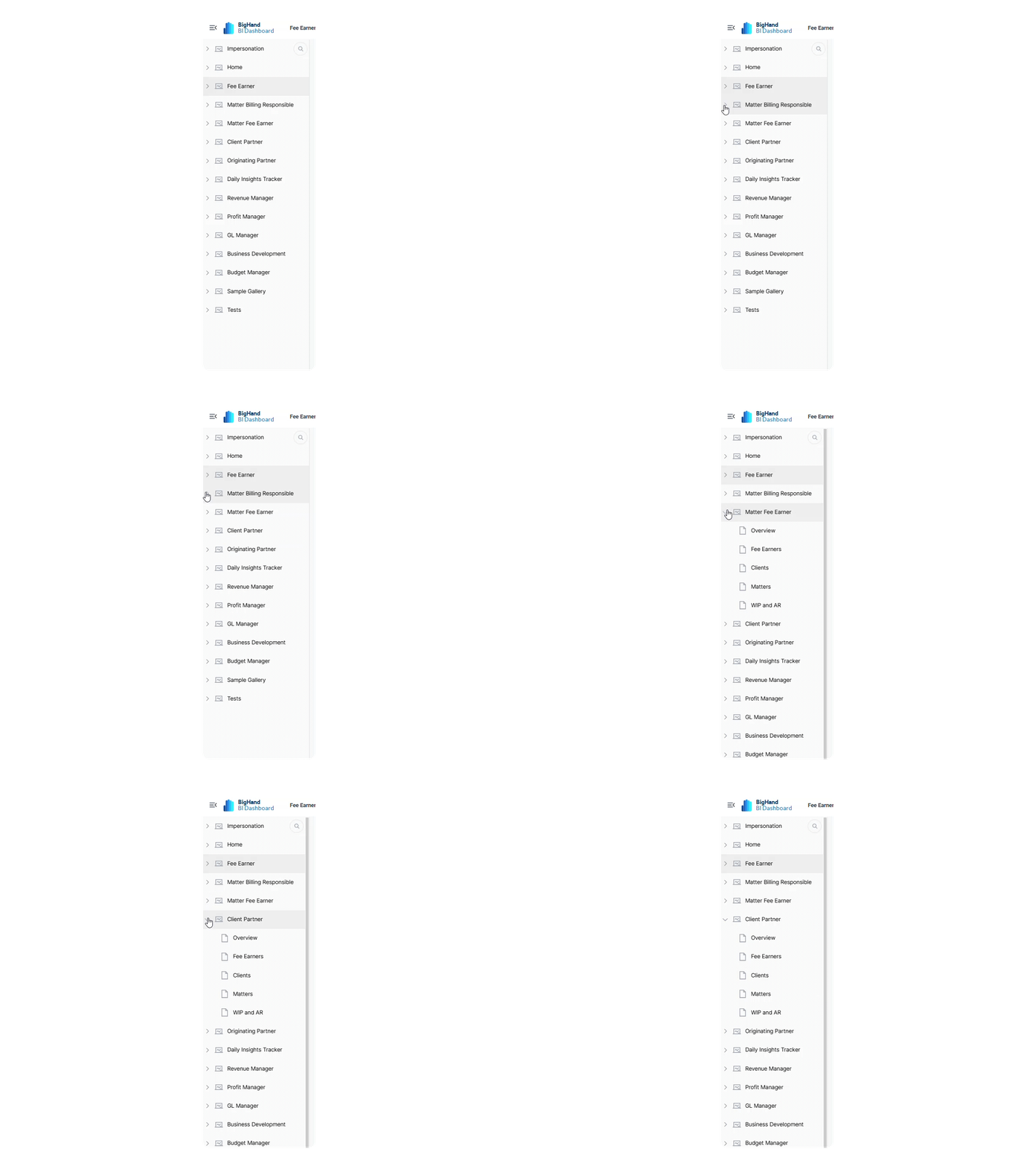
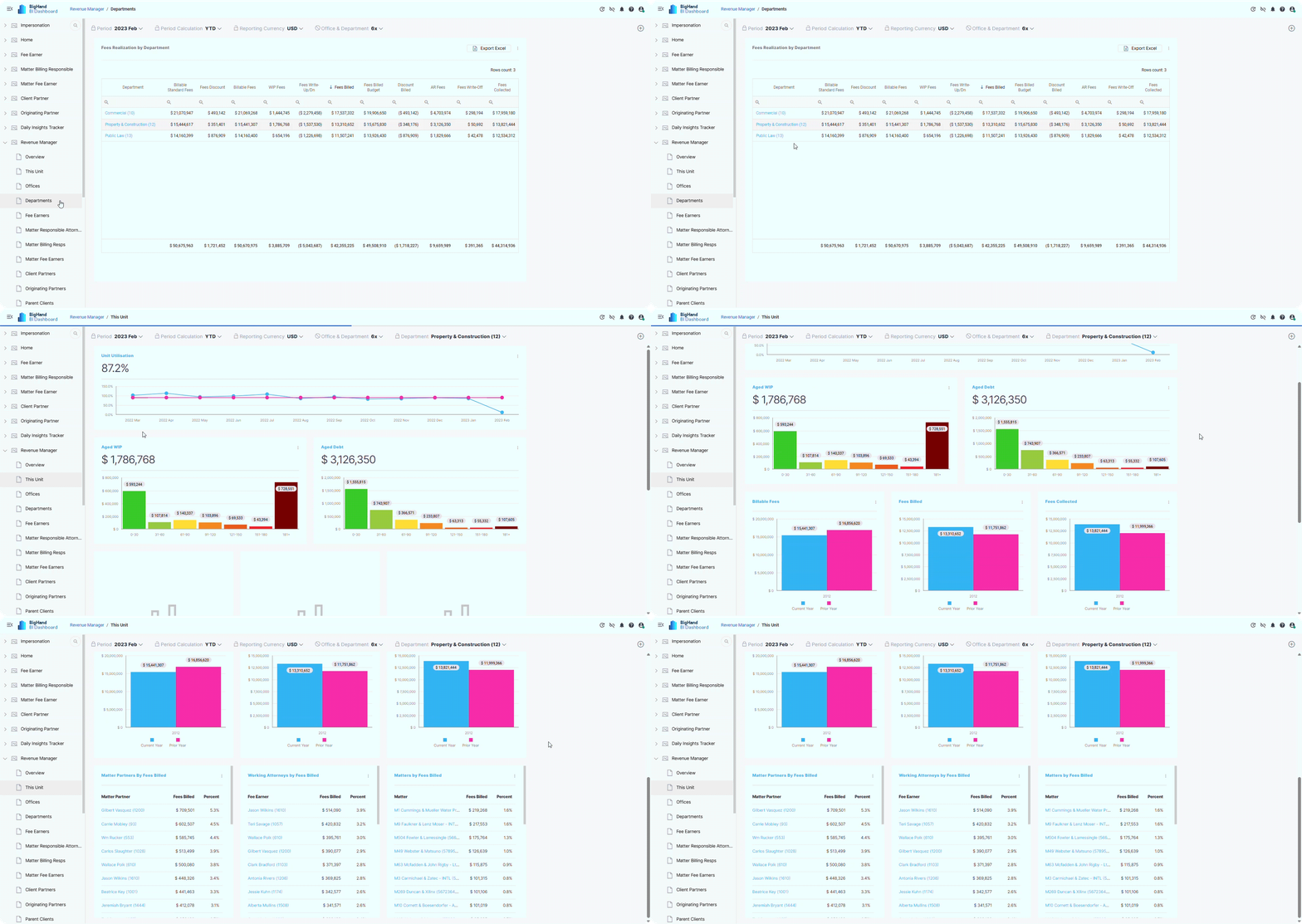
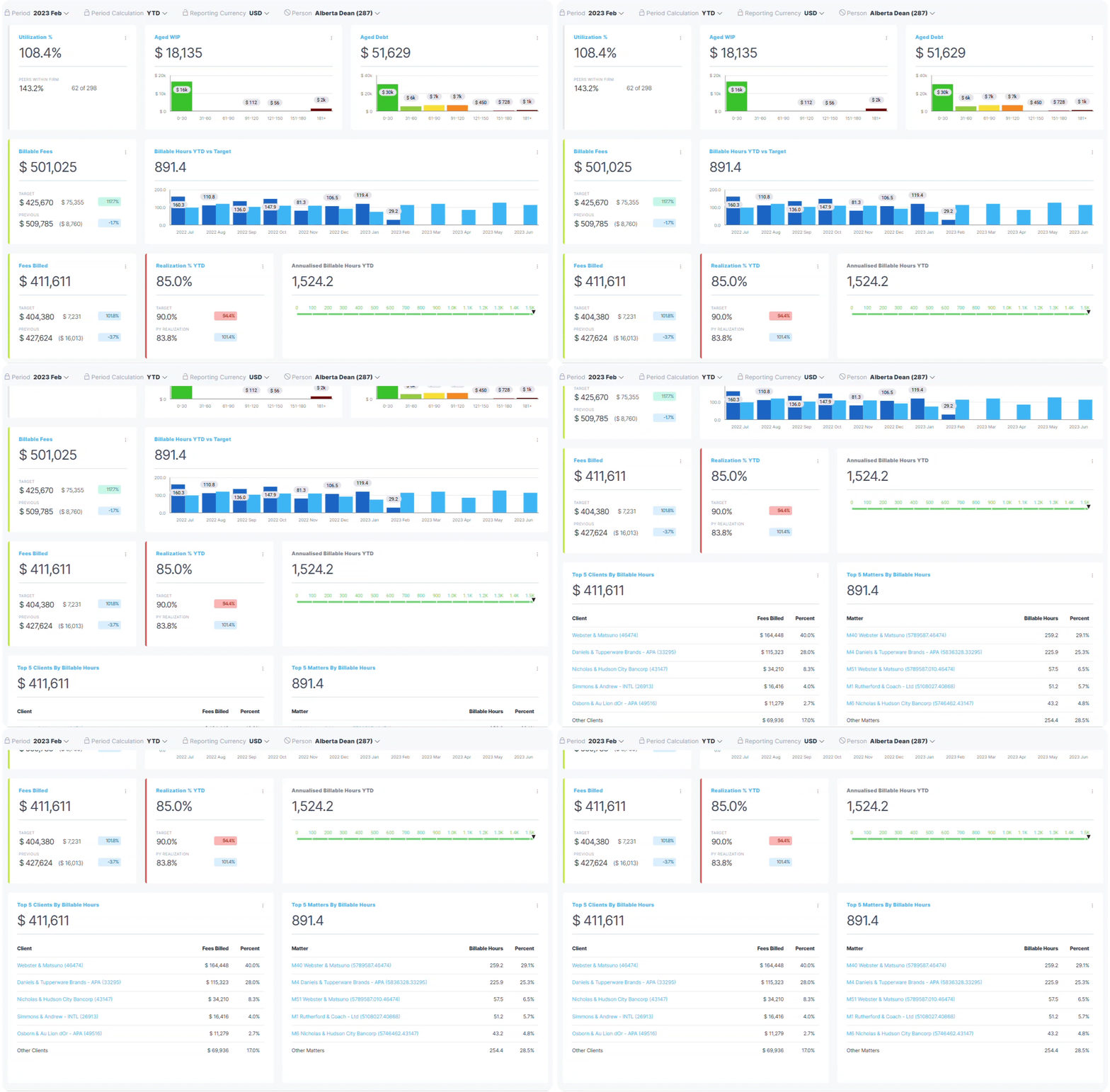
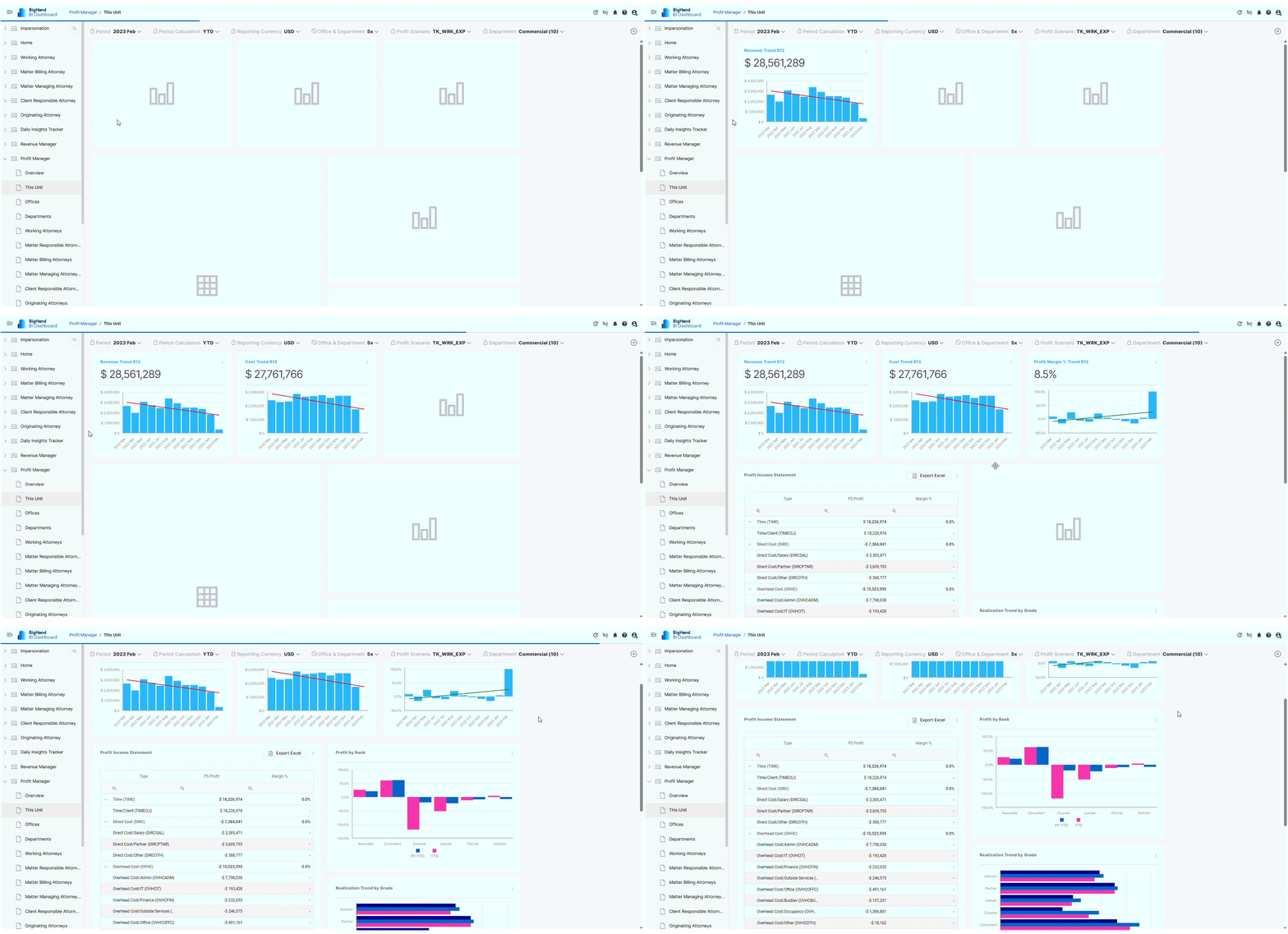
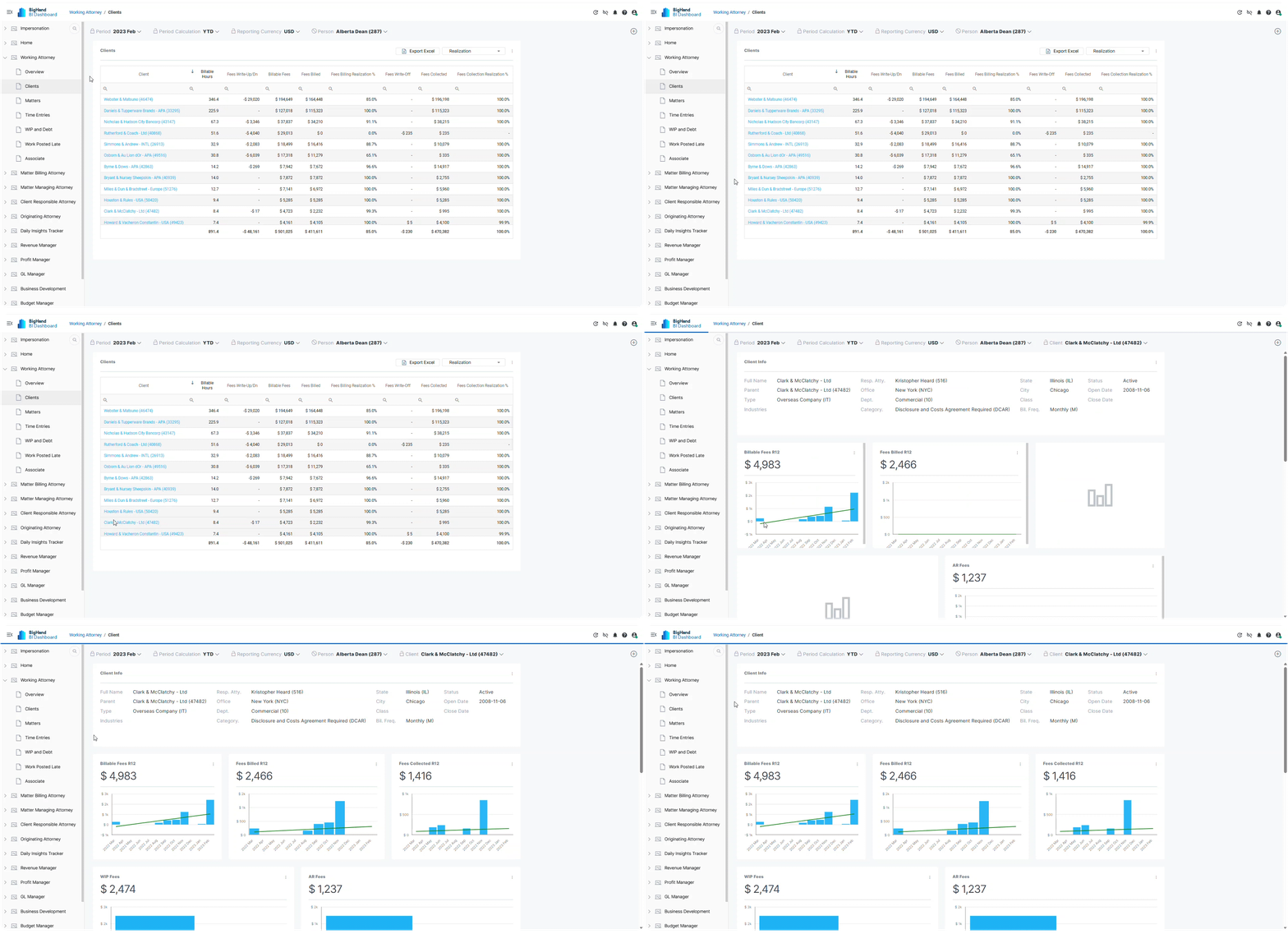
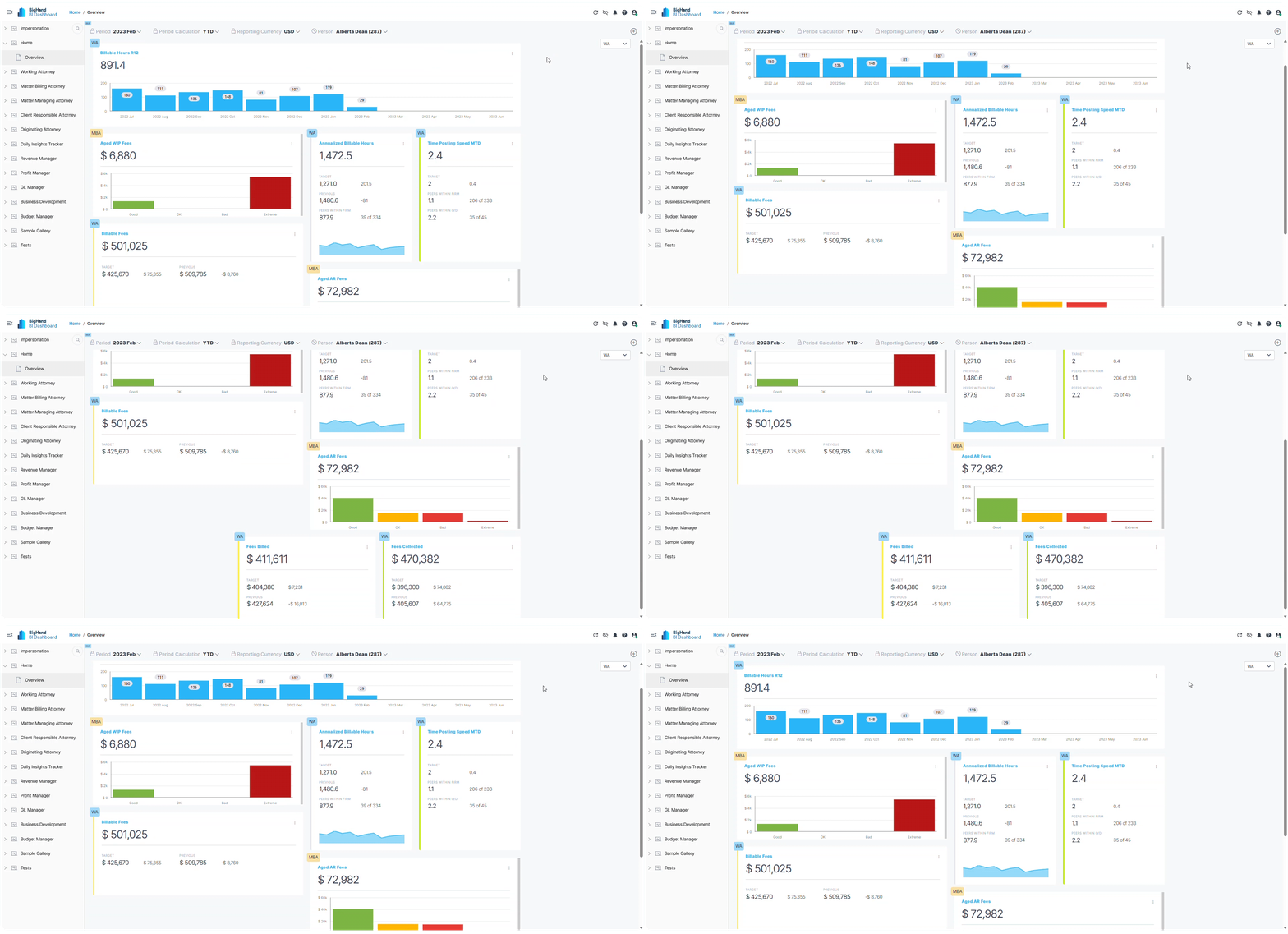
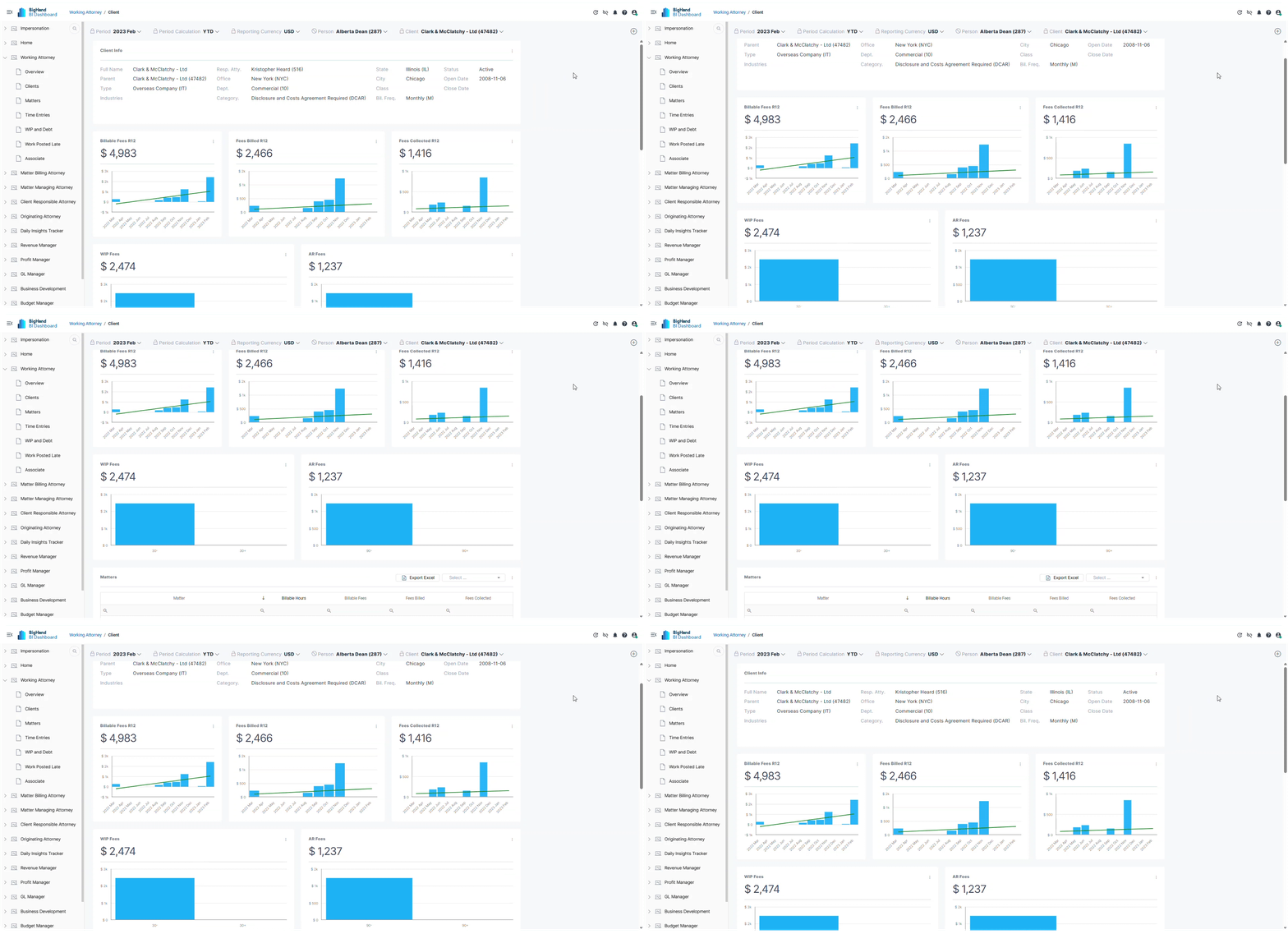
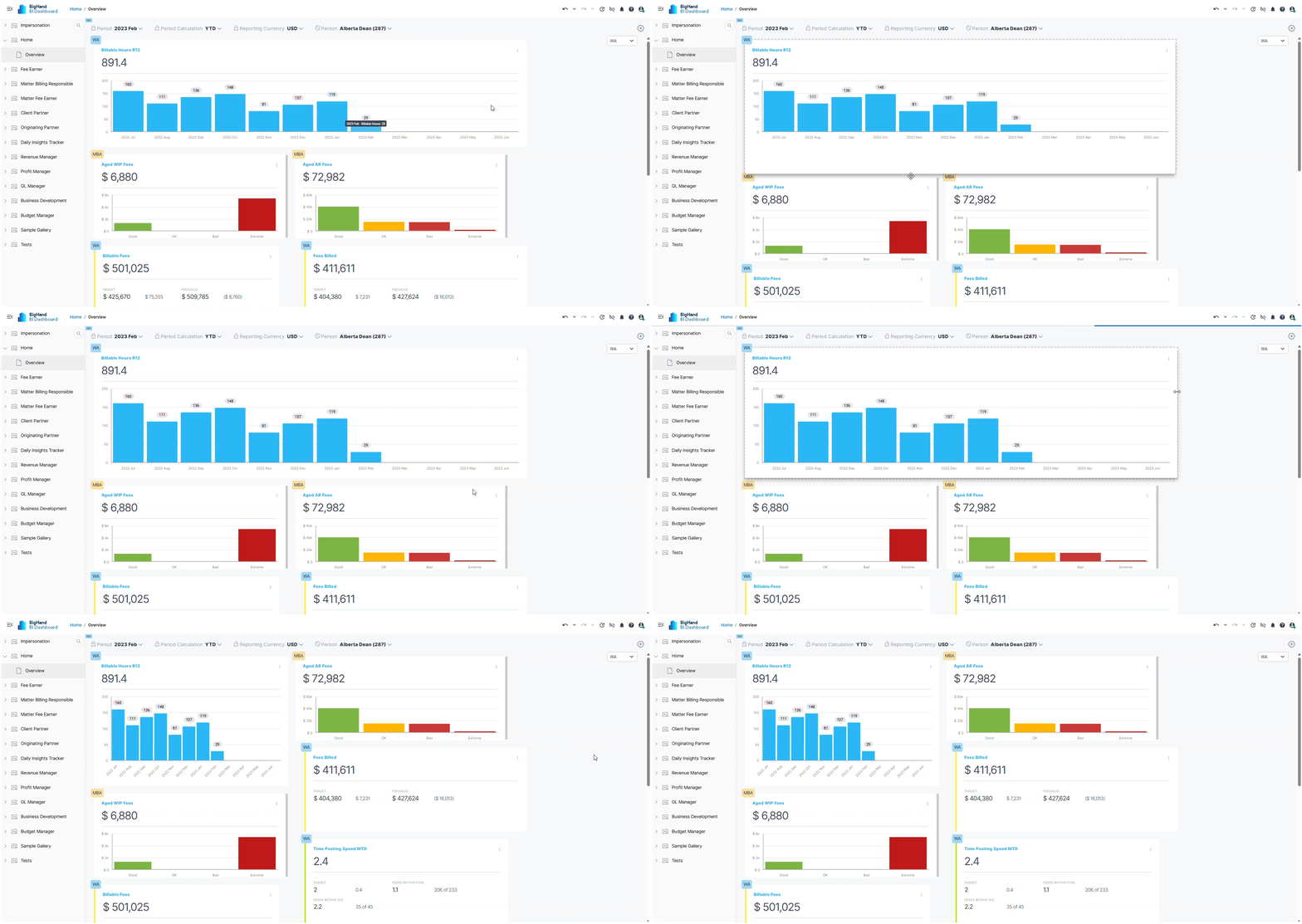
BigHand Business Intelligence brings intelligence into firm performance before decisions are made, helping firms accelerate cash flow, protect profitability, and act with confidence.

Profitability protected
Risk surfaces early, before profit is lost.

Client value grown
Financial transparency for sharper service and fewer billing surprises.

Performance unlocked
Leaders decide proactively with live data.
 Role-based Dashboards Role-based Dashboards Firm Performance Dashboard Firm Performance Dashboard Matter Profitability Analysis Matter Profitability Analysis WIP and AR Aging WIP and AR Aging Realization Reporting Realization Reporting Practice Group Benchmarking Practice Group Benchmarking Drill Down to Source Drill Down to Source |
 Budget vs. Actual Monitoring Budget vs. Actual Monitoring Matter Origination and Referral Tracking Matter Origination and Referral Tracking Cross-sell Dashboard Cross-sell Dashboard Automated Reporting Automated Reporting Self-serve Analytics Self-serve Analytics Multi-system Data Consolidation Multi-system Data Consolidation |
Real outcomes from firms using BigHand Business Intelligence to see performance, accelerate cash flow, and protect profitability.
reduction in the billing and collections lifecycle.
reduction in time spent on year-end processes.
reduction in time spent on pricing analytics.
How firm leaders, practice group leaders, and finance teams at leading firms use BigHand Business Intelligence to accelerate cash, protect profitability, and decide with current data.

Newmeyer Dillion uses BigHand Business Intelligence to give lawyers and partners visibility into profitability, collections, and matter intake, driving a firm-wide culture of commercial accountability.

Sheppard Mullin uses BigHand Business Intelligence to consolidate financial reporting into a single dashboard, giving stakeholders insight to support client service decisions.

Cole Scott and Kissane uses BigHand Business Intelligence to cut year-end processing time by 77% and reduce the billing and collections lifecycle by 28%.

FordHarrison uses BigHand Business Intelligence to cut pricing analytics time by over 50%, giving the team faster access to the financial insight that underpins client conversations.
Newmeyer Dillion uses BigHand Business Intelligence to give lawyers and partners visibility into profitability, collections, and matter intake, driving a firm-wide culture of commercial accountability.
Sheppard Mullin uses BigHand Business Intelligence to consolidate financial reporting into a single dashboard, giving stakeholders insight to support client service decisions.
Cole Scott and Kissane uses BigHand Business Intelligence to cut year-end processing time by 77% and reduce the billing and collections lifecycle by 28%.
FordHarrison uses BigHand Business Intelligence to cut pricing analytics time by over 50%, giving the team faster access to the financial insight that underpins client conversations.
BigHand’s award-winning business intelligence software |
  |



Revenue
Improve overall financial performance, with intelligence on billables, collections, cash flow & more.

Profit
Protect and grow margin with intelligence on high and low-profit behaviors across your firm.

GL & Expense
Reduce spend and improve cost control with intelligence on online financial statements.

Business Development
Strengthen client relationships and identify cross-sell opportunities with intelligence on client health and performance.
Legal business intelligence is the use of financial and operational data to understand how legal work is delivered and how it performs financially. It brings together information from time recording, billing, and practice management systems to give law firms a clear view of matter profitability, client performance, and operational efficiency. Unlike generic reporting, legal business intelligence is built around law firm economics, including realization, utilization, and matter-based pricing. Firms use it to identify where value is created or lost, act before margin erodes, and make consistent, evidence-based decisions across partners, practice groups, and offices.
Business intelligence improves profitability by showing exactly where time, cost, and billing performance affect margins. It highlights write-offs, underperforming matters and inefficiencies early, enabling firms to act before profit is lost rather than explaining variances after the fact. With solutions such as BigHand Business Intelligence, firms gain consistent visibility across clients, matters and timekeepers, helping leadership refine pricing decisions, improve delivery approaches and manage profitability more effectively across the business.
Law firms can use Excel and Power BI for reporting and analysis, and many firms continue to do so. However, building and maintaining legal-specific data models, metrics, and dashboards directly within these tools can require significant internal effort and expertise.
BigHand Business Intelligence provides a structured legal data model, pre-built reports and trusted performance metrics designed specifically for law firms. Firms can export data from BigHand into Excel for additional modeling and investigation, while BigHand BI on Microsoft Fabric also enables firms to use that trusted data within their own Power BI environment. This gives firms the flexibility of familiar analytics tools while maintaining a consistent and reliable source of legal business intelligence.
Law firms should look for comprehensive financial visibility, pre-built legal metrics, and reliable integration with practice management, finance, and time recording systems. The solution should provide trusted legal metrics, role-based dashboards and seamless access to firm performance data. Solutions such as BigHand Business Intelligence help firms reduce the effort required to prepare reports, giving partners, finance teams and firm leaders faster access to the information they need to make confident decisions. It should reduce reliance on spreadsheets and manual reporting, and support pricing, forecasting and profitability analysis from a single trusted source of data. The right solution shortens the path from question to answer and improves confidence in every financial decision.
With BigHand Business Intelligence, leadership teams can analyze revenue performance, client profitability, matter trends, and partner contribution from a single source of trusted data. They can identify which clients, practice areas and matter types generate the strongest returns, where profitability is being eroded and how performance varies across the firm. These insights support decisions around investment, pricing, client growth and operational improvement. By providing a consistent view of financial performance, BigHand helps leadership teams spend less time validating data and more time acting on it.
Business intelligence surfaces the historical matter data and financial trends that pricing and finance teams rely on. Solutions such as BigHand Business Intelligence provide visibility into matter performance, profitability trends and historical delivery data, helping firms make more informed pricing and budgeting decisions. These insights can then be used alongside dedicated pricing and budgeting solutions to improve forecasting accuracy and reduce financial risk.
Law firms should look for business intelligence platforms that provide role-based access controls, audit capabilities, and clearly defined permissions. These controls help ensure users only access information appropriate to their role while supporting wider visibility into firm performance where required. Firms should also evaluate hosting arrangements, governance processes and security controls as part of their assessment. A secure platform allows firms to share meaningful business insight without compromising confidentiality or regulatory obligations.
Business intelligence helps firms identify the clients, sectors, and types of work that generate the strongest financial results. By analyzing trends in client profitability, growth patterns, and service performance, firms can uncover opportunities to expand relationships and focus business development efforts where they are most likely to deliver value. It also enables more informed client conversations by providing a clearer understanding of commercial performance across accounts and practice areas.


© 2026 BigHand. All Rights Reserved. Various trademarks held by their respective owners.