






Work still moves through many law firms, allocated by memory and spreadsheets, overloading trusted lawyers while spare capacity sits unseen, and matters are staffed at the wrong level and cost. BigHand Resource Management brings intelligence before allocation decisions, giving firms visibility into capacity, skills, utilization, and forecast commitments across every practice.
See how BigHand Resource Management surfaces capacity, skills, and utilization in a single view.
See how BigHand Resource Management works for allocators, firm leaders, and associates.
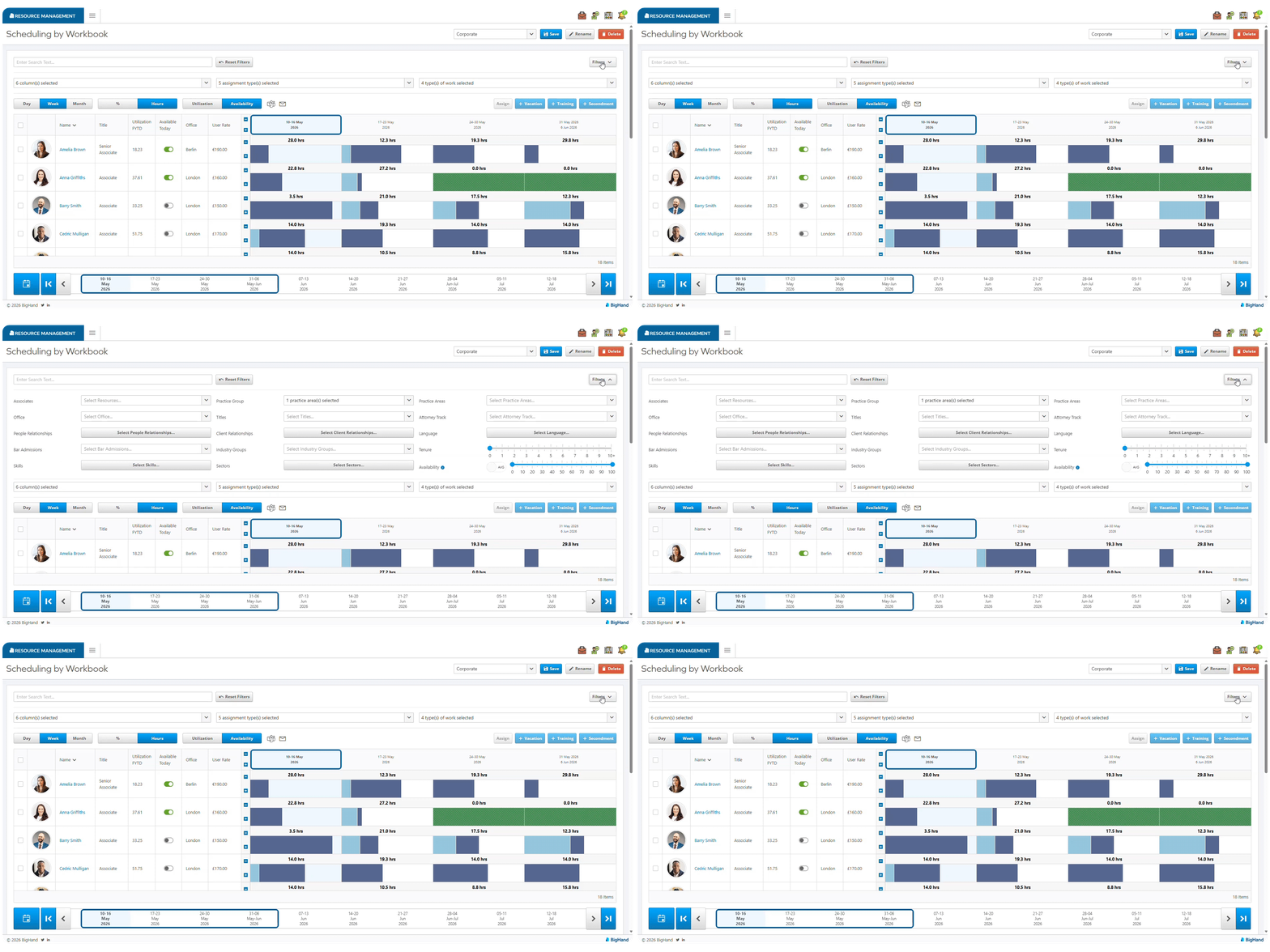
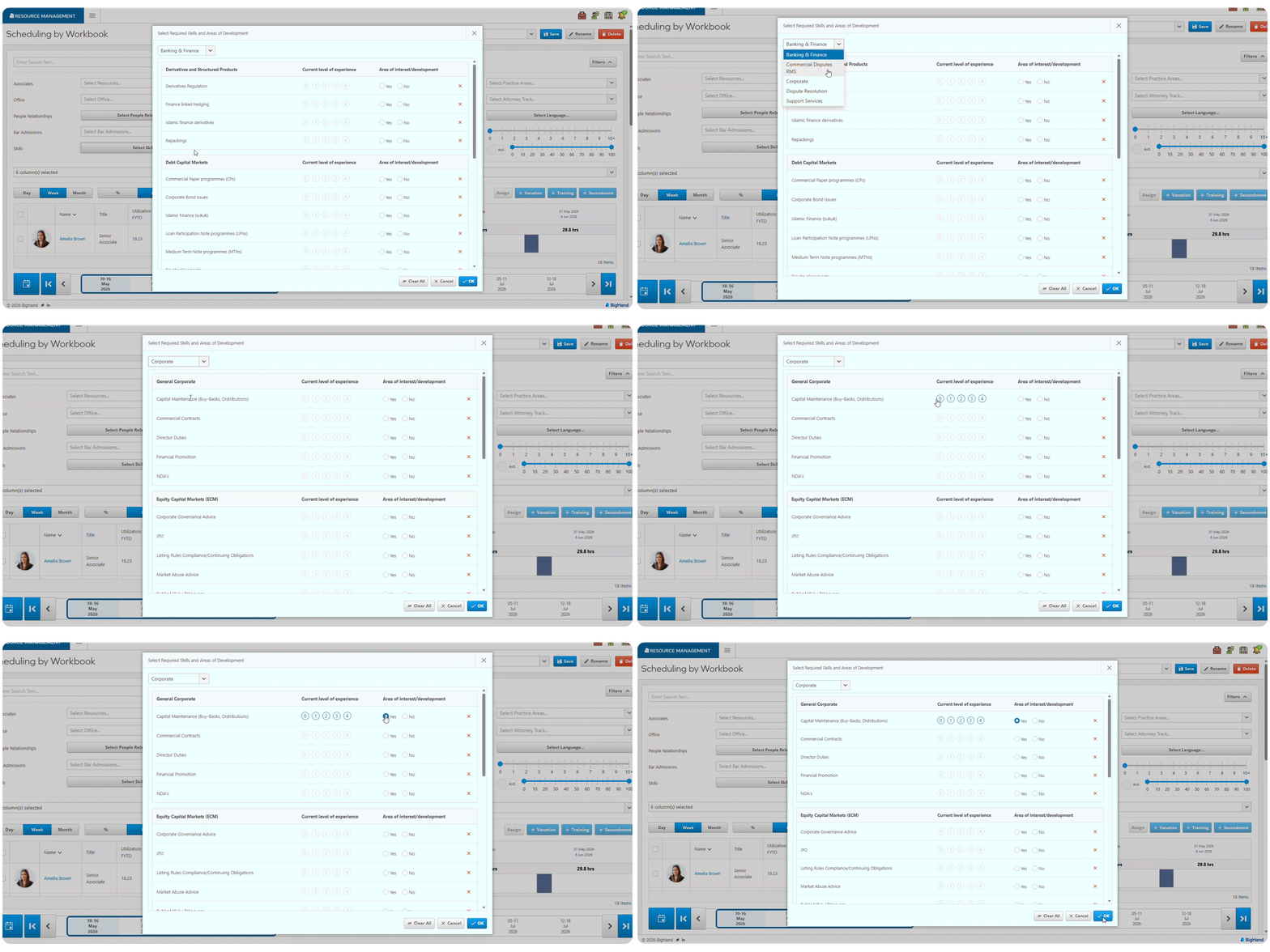
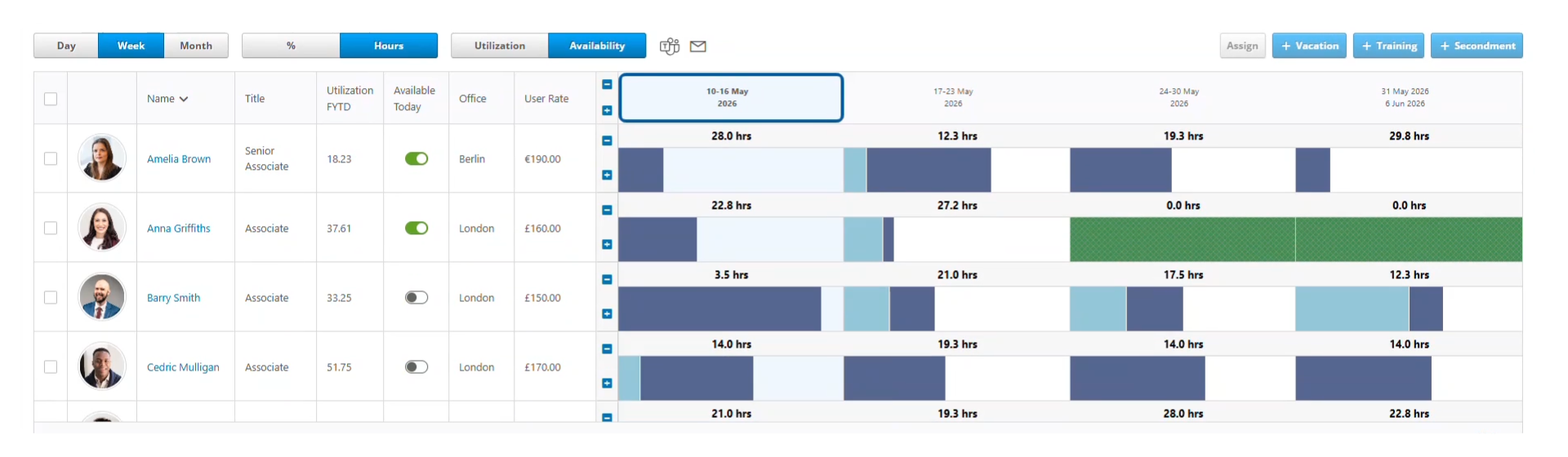
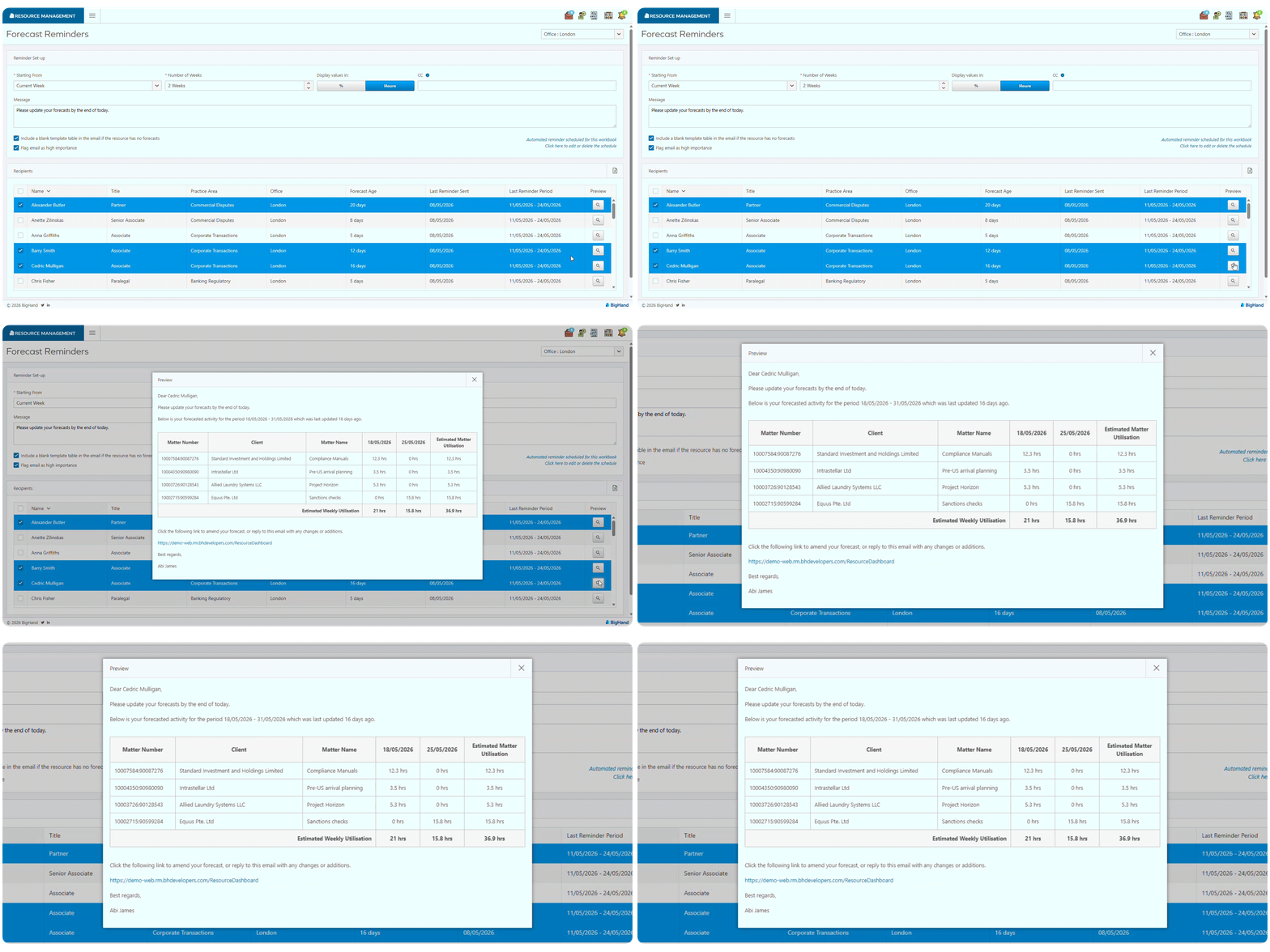
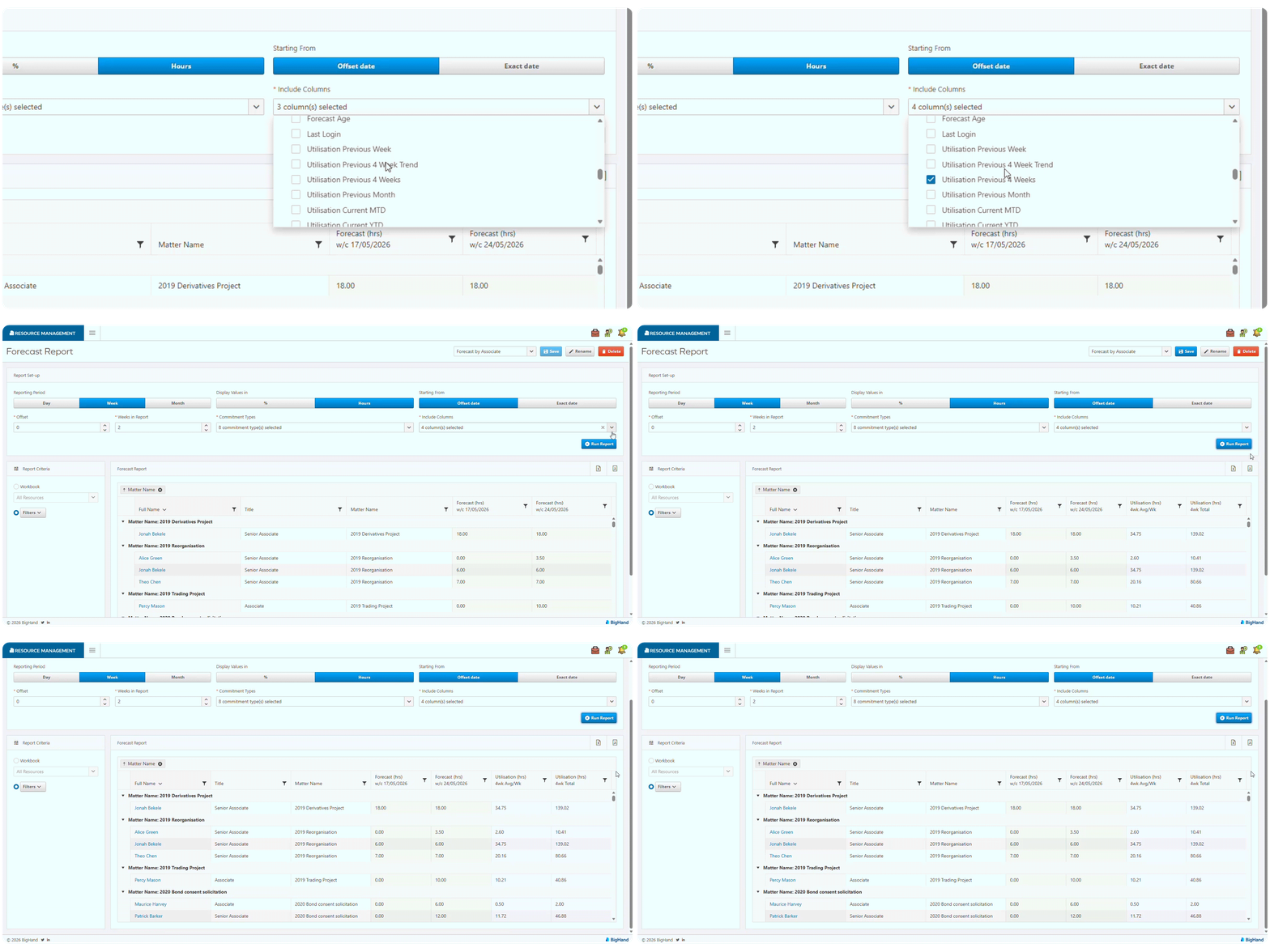
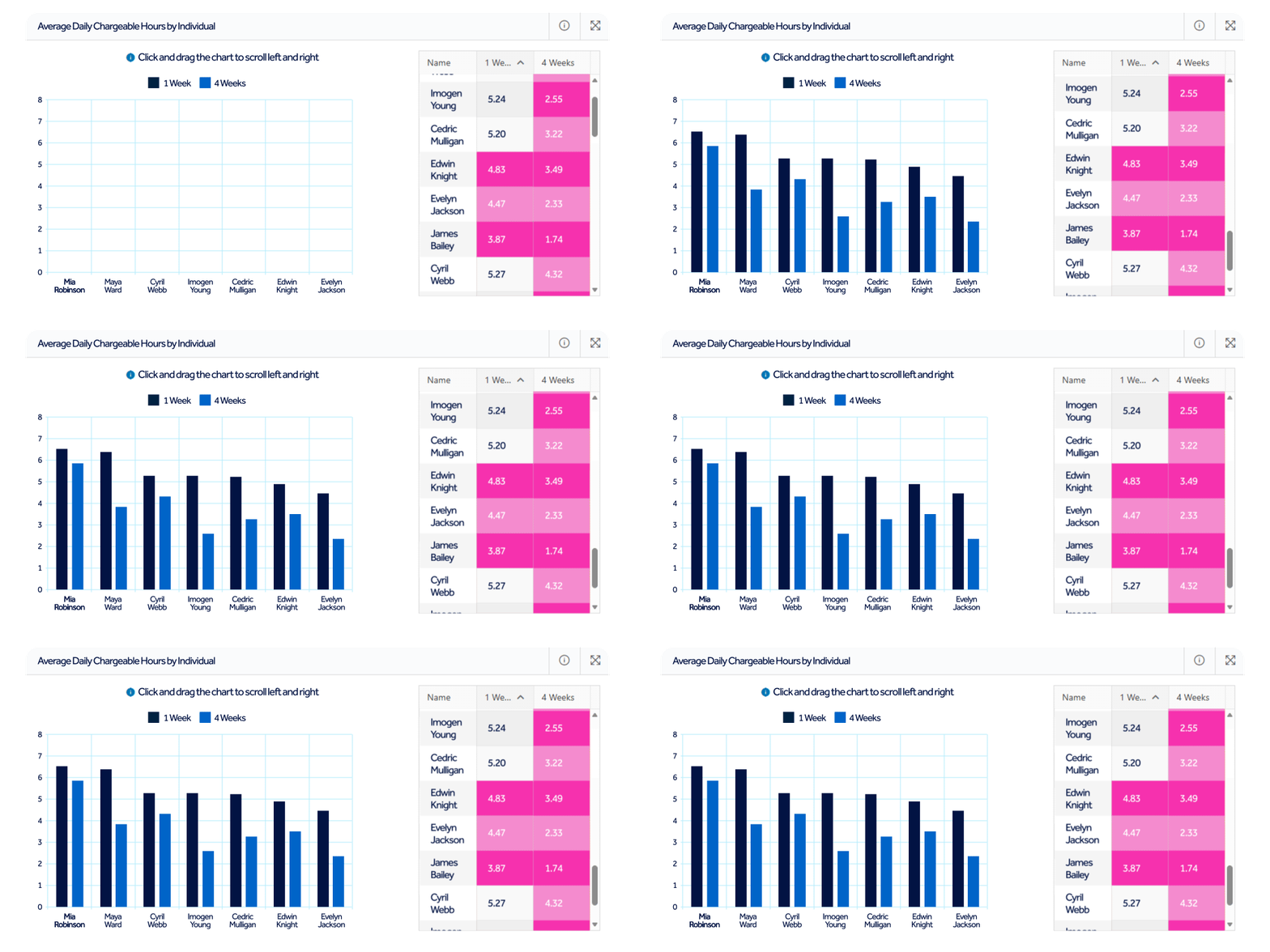
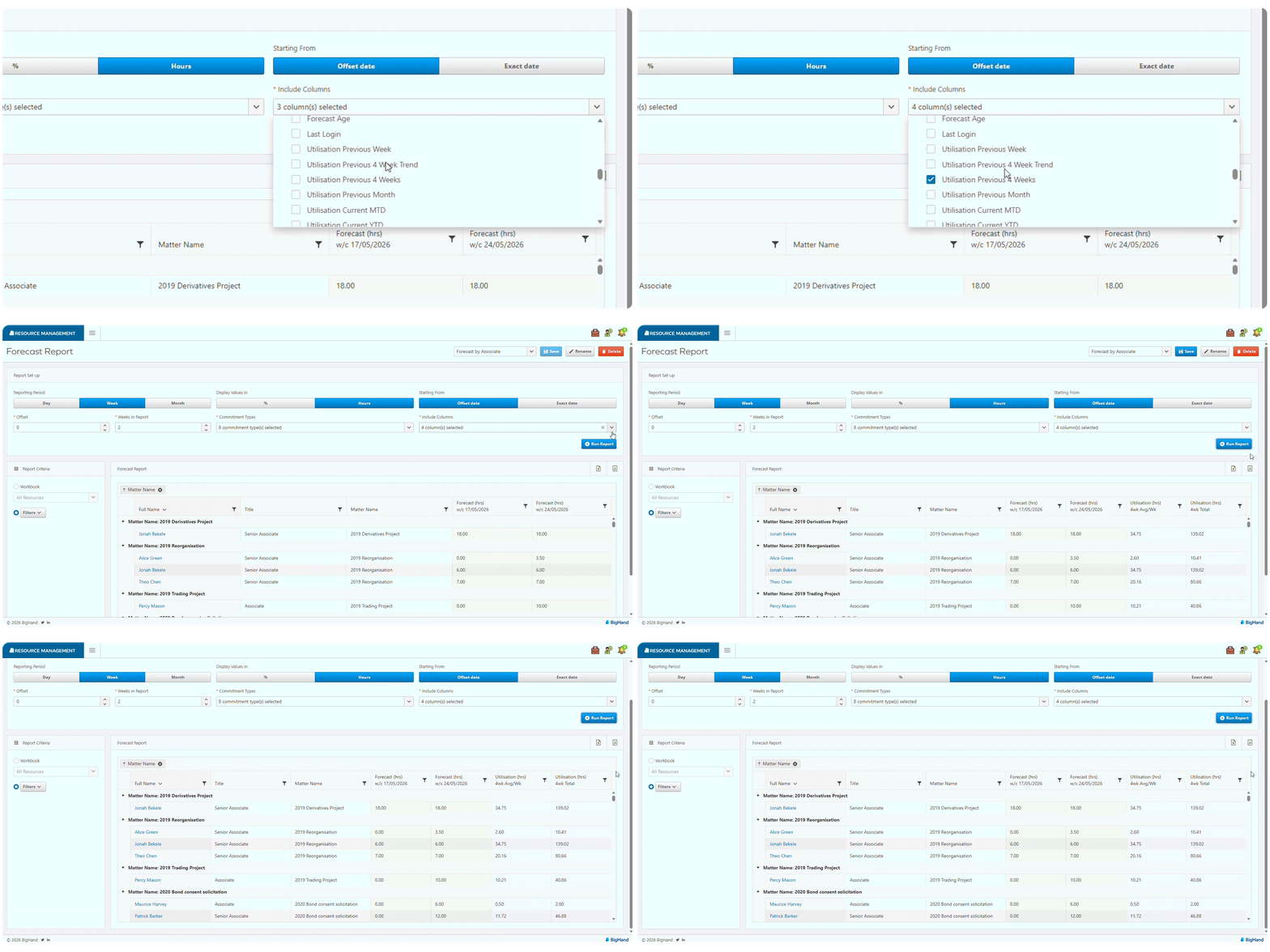
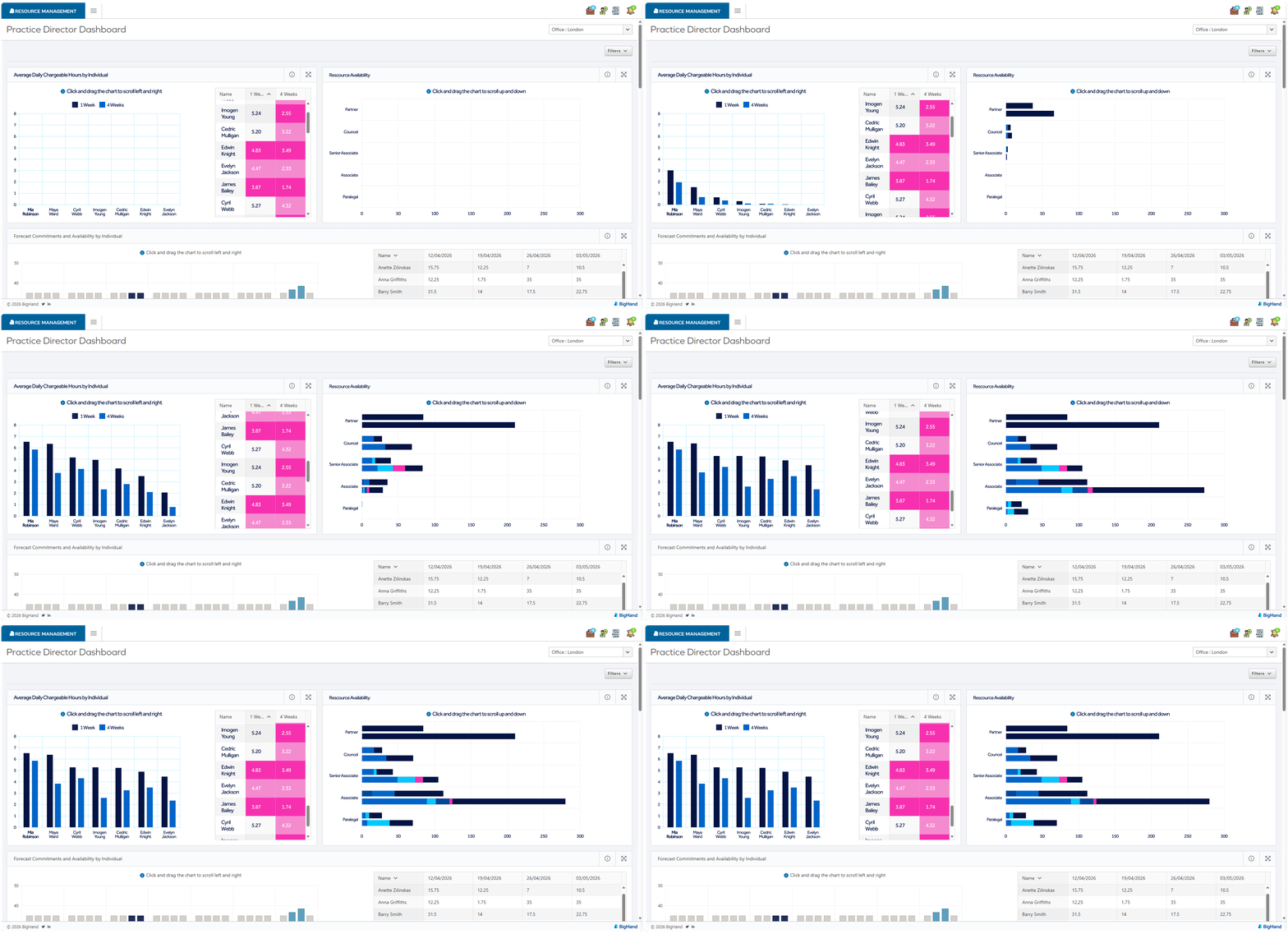
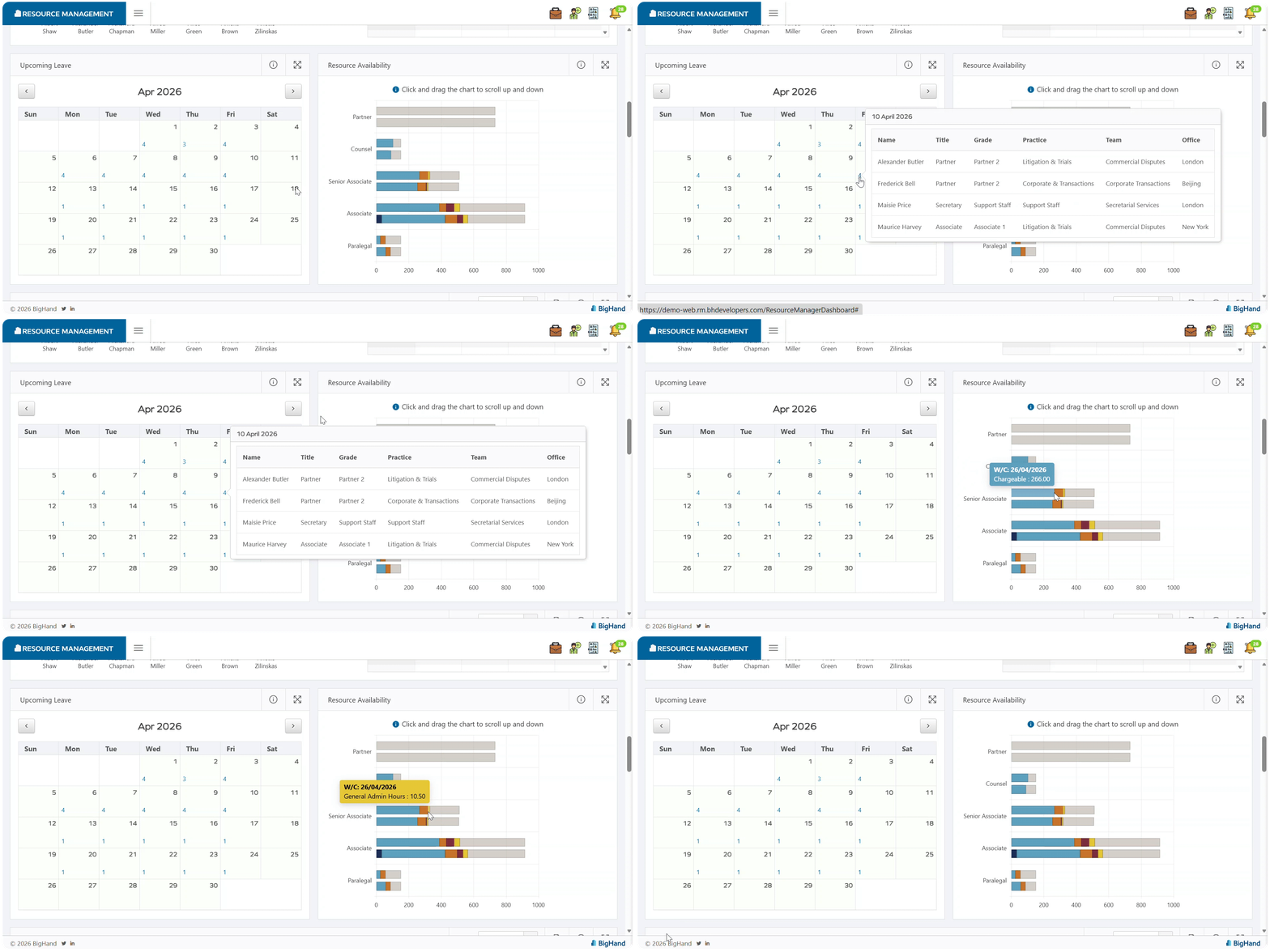
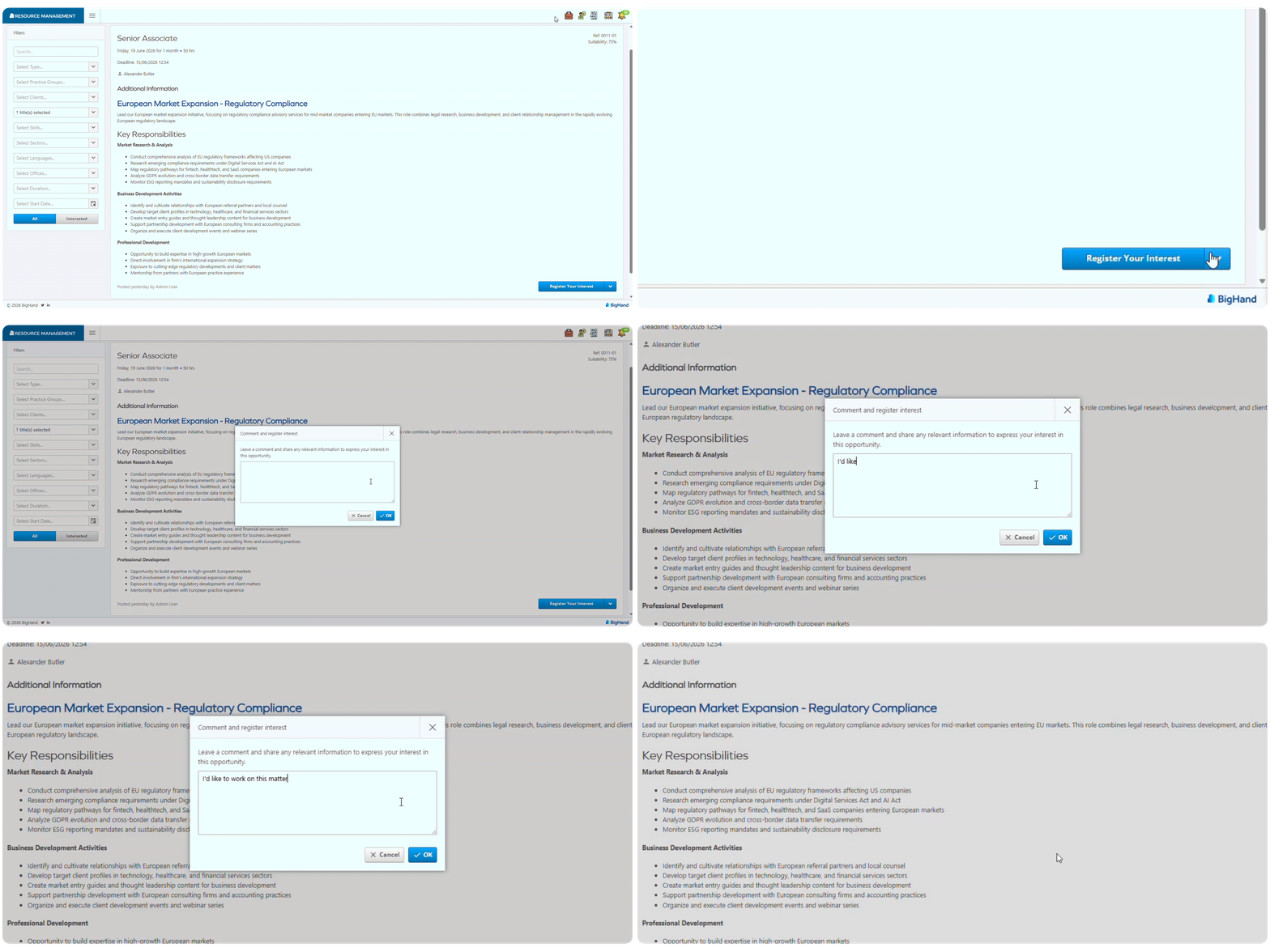
Three reasons firm leaders, allocators, and associates describe BigHand Resource Management as the change that paid for itself.

Profitability protected
Optimal matter staffing, with team utilization balanced.

Client value grown
The right people on every matter for excellent client service.

Performance unlocked
Talent retained through fair work allocation and access to opportunities.
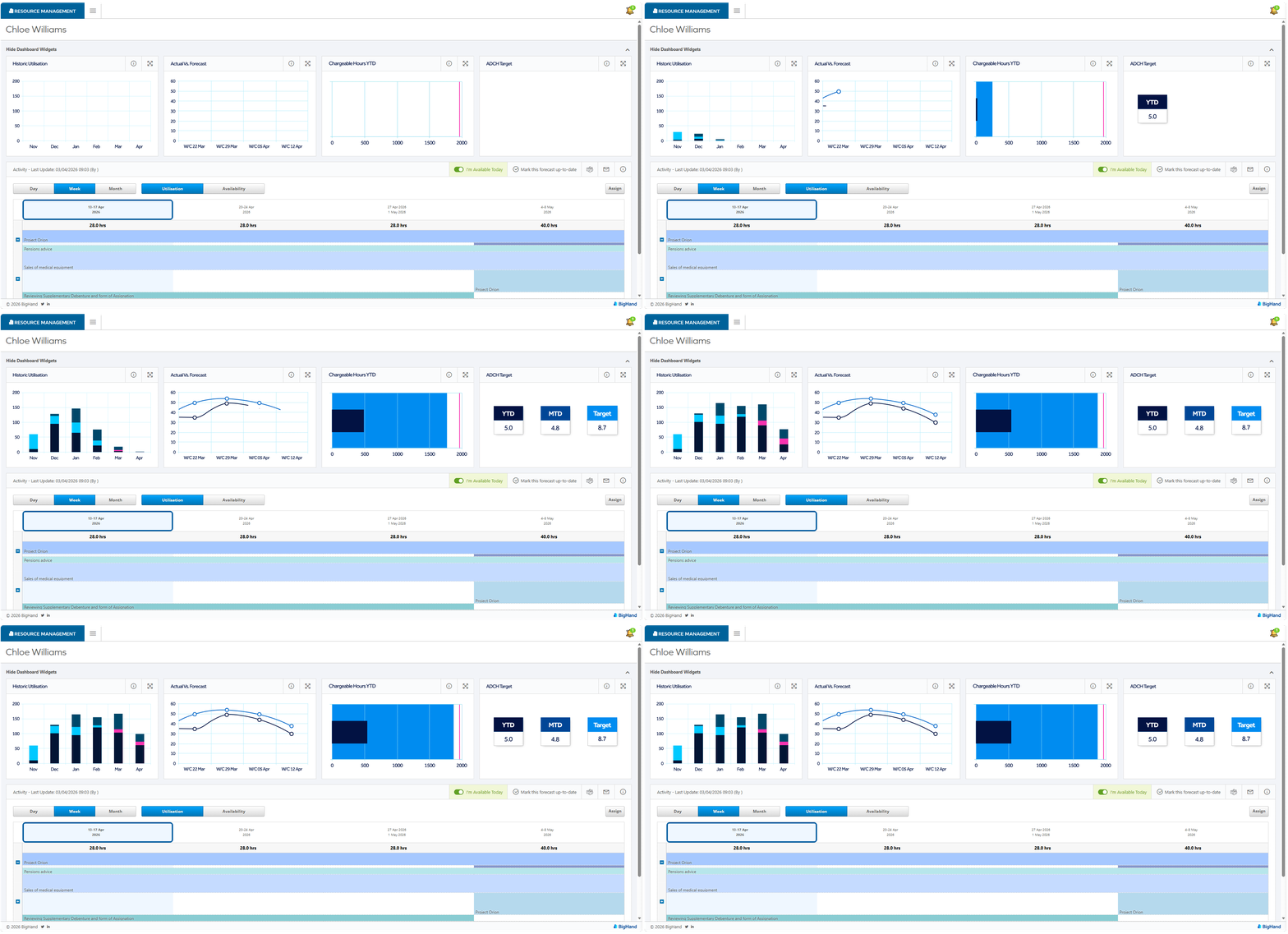
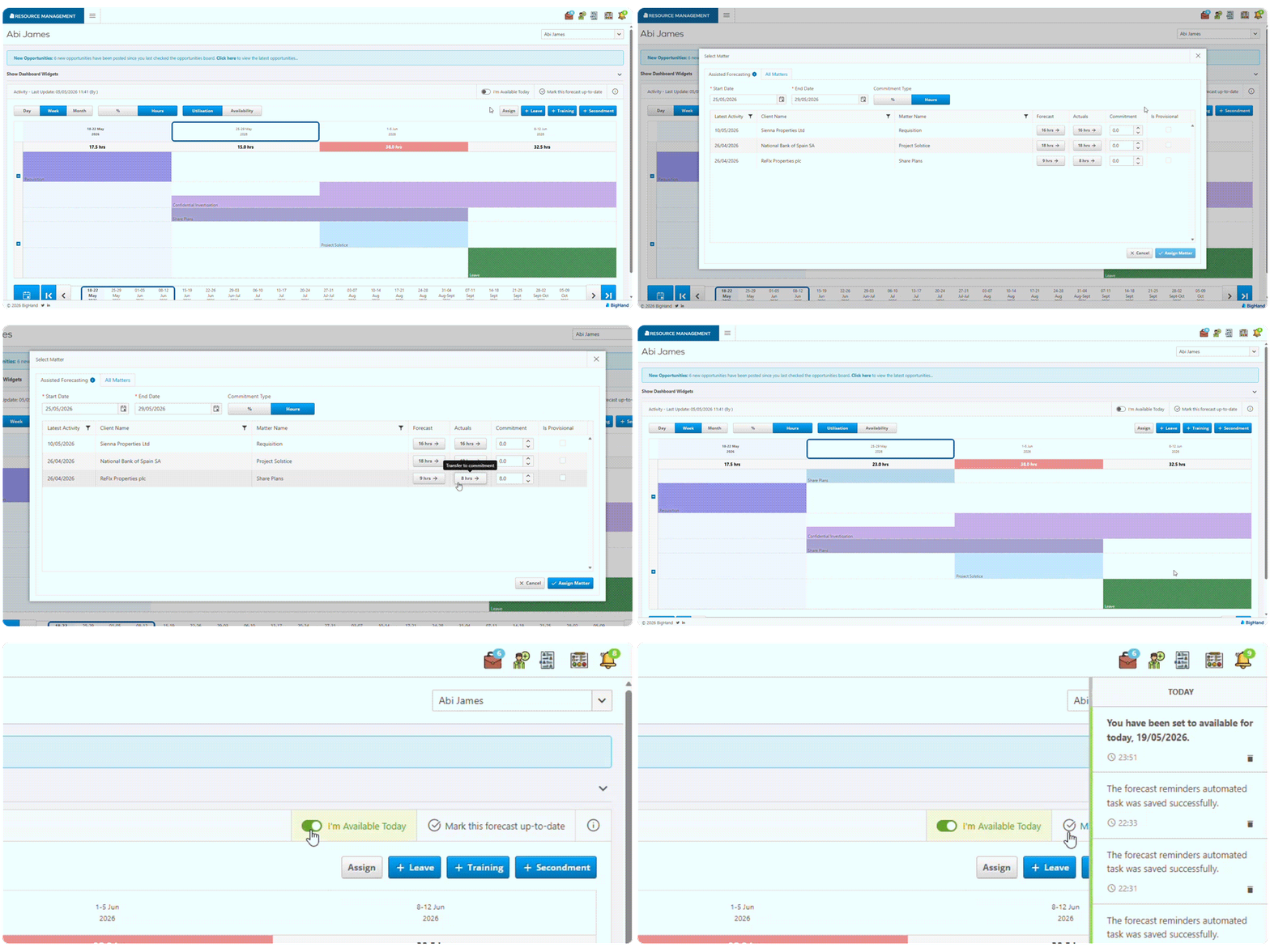
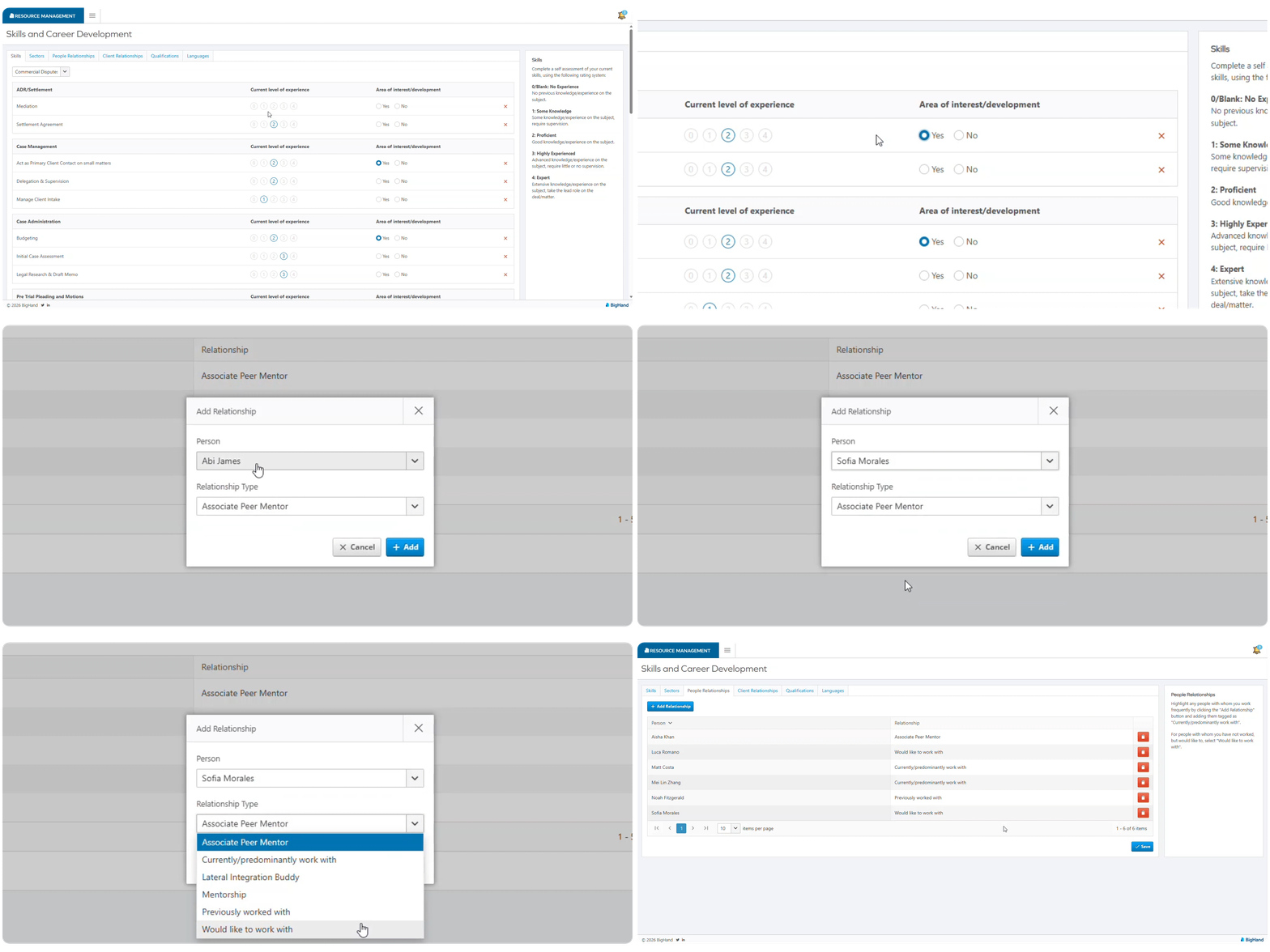
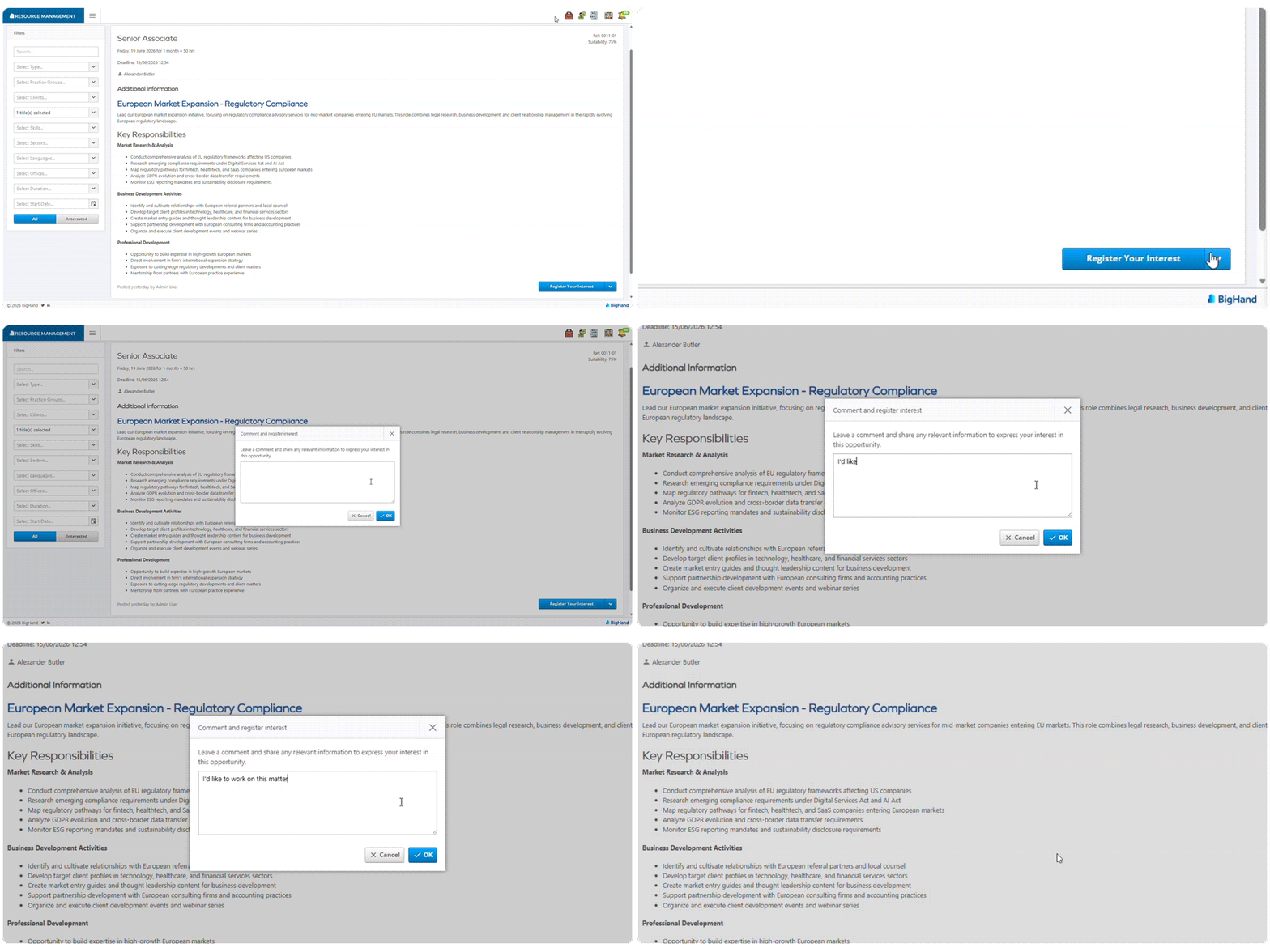
 Single View of Suitability Single View of Suitability Powerful Search and Allocate Powerful Search and Allocate Live Capacity and Forecasting Live Capacity and Forecasting Assisted Forecasting Assisted Forecasting Scheduled Forecast Reminders Scheduled Forecast Reminders Skills and Experience Profiles Skills and Experience Profiles Register Interest in Work Register Interest in Work |
 Leave and Fixed Date Visibility Leave and Fixed Date Visibility Utilization Reporting Utilization Reporting Capacity and Pipeline View Capacity and Pipeline View Skills and Risk Mapping Skills and Risk Mapping Cross-Practice Reporting Cross-Practice Reporting Performance Review Data Performance Review Data |
Real results from firms using BigHand Resource Management to allocate work intelligently, protect margin, and retain talent.
increase in lawyer utilization over two years.
increase in talent retention within a practice group team.
reduction in the time to scale large matters, from two days to 30 minutes.
How leaders and allocators at firms of all sizes are using BigHand Resource Management to balance utilization, retain talent, and protect margin.

Taylor Wessing implemented BigHand Resource Management to enable effective hybrid working with equitable and inclusive work allocation that also supports lawyer career development.

Womble Bond Dickinson replaced subjective partner-led allocation with data-driven resource management to sharpen client service and support lawyer development.

Global law firm Norton Rose Fulbright prioritizes lawyer utilization and growth with legal resource management technology.

Addleshaw Goddard uses BigHand Resource Management to improve lawyer utilization and cross-office collaboration, giving lawyers fairer access to work and partners faster resourcing decisions.
Taylor Wessing implemented BigHand Resource Management to enable effective hybrid working with equitable and inclusive work allocation that also supports lawyer career development.
Womble Bond Dickinson replaced subjective partner-led allocation with data-driven resource management to sharpen client service and support lawyer development.
Global law firm Norton Rose Fulbright prioritizes lawyer utilization and growth with legal resource management technology.
Addleshaw Goddard uses BigHand Resource Management to improve lawyer utilization and cross-office collaboration, giving lawyers fairer access to work and partners faster resourcing decisions.
BigHand’s award-winning resource management software |
 |

Legal resource management is the process of planning, allocating, and optimizing lawyer and staff capacity across matters. It ensures the right people are assigned to the right work at the right time, based on availability, skills, experience, and client requirements. That improves utilization, balances workloads, and strengthens delivery performance across the firm. Unlike informal allocation through personal networks, structured resource management gives firms visibility of capacity and demand, so staffing decisions are deliberate, fair, and aligned with both client needs and lawyer development.
Resource management improves utilization by providing visibility into capacity and demand across the firm. Firms can allocate work more effectively, reduce idle time, and ensure lawyers are consistently engaged on suitable matters rather than relying on informal networks. BigHand Resource Management helps firms match work to availability, skills, and development goals, improving utilization while creating a more balanced distribution of work across teams.
Legal resource management is built specifically for law firms, where work is matter-based, demand is variable, and staffing decisions depend on skills, experience, and client requirements. Generic resource planning tools often assume predictable projects and interchangeable resources, which rarely reflects legal work. BigHand Resource Management is designed around the realities of law firm operations, supporting workload balancing, career development and skills-based staffing decisions.
Law firms balance capacity and demand by tracking lawyer availability, forecasting workloads, and reallocating work where required. Resource management tools help firms identify resource gaps, overloaded teams, and underutilized capacity before they affect delivery. BigHand Resource Management provides a forward-looking view of staffing needs, enabling firms to make proactive resourcing decisions and maintain consistent service levels across matters.
Capacity planning is the process of forecasting available lawyer time and matching it to expected demand. It combines information about headcount, availability, leave, existing commitments, and anticipated work volumes. BigHand Resource Management helps firms understand future resource requirements, identify skills gaps, and make informed decisions about hiring, secondments, and work allocation before operational pressures arise.
BigHand Resource Management includes features such as capacity planning, forecasting, work allocation, skills tracking, utilization reporting, and demand visibility across matters. Firms should look for role-specific dashboards, workload balancing capabilities, and integration with practice management and HR systems. These capabilities help firms deploy resources more effectively, improve utilization, and create greater confidence in staffing decisions.
Resource management gives firms visibility of each lawyer's experience, skills, and development goals, so work can be allocated to build capability and support career aspirations, as well as meet demand. Associates gain fair access to the matters that develop them, rather than opportunities flowing through informal networks. Workload visibility also surfaces early signs of overload, helping firms protect wellbeing before burnout drives attrition. Firms that manage resources this way retain talent longer, develop skills deliberately, and make career progression something the firm actively supports.
Resource management helps ensure matters are staffed with the right expertise at the right time. BigHand Resource Management enables firms to balance workloads, improve staffing visibility, and respond more quickly to changing client demands. The result is more consistent service delivery, improved responsiveness, and a stronger client experience.


© 2026 BigHand. All Rights Reserved. Various trademarks held by their respective owners.